Ayurvedic Detox and Skin Health: How Panchakarma and Ayurvedic Facials Work Together for a Natural Glow
A practical guide for Delhi residents explaining why Ayurveda often combines internal detox (Panchakarma) with targeted Ayurvedic facials, which skin issues may need deeper cleansing versus topical care alone, and realistic timelines for visible improvement.

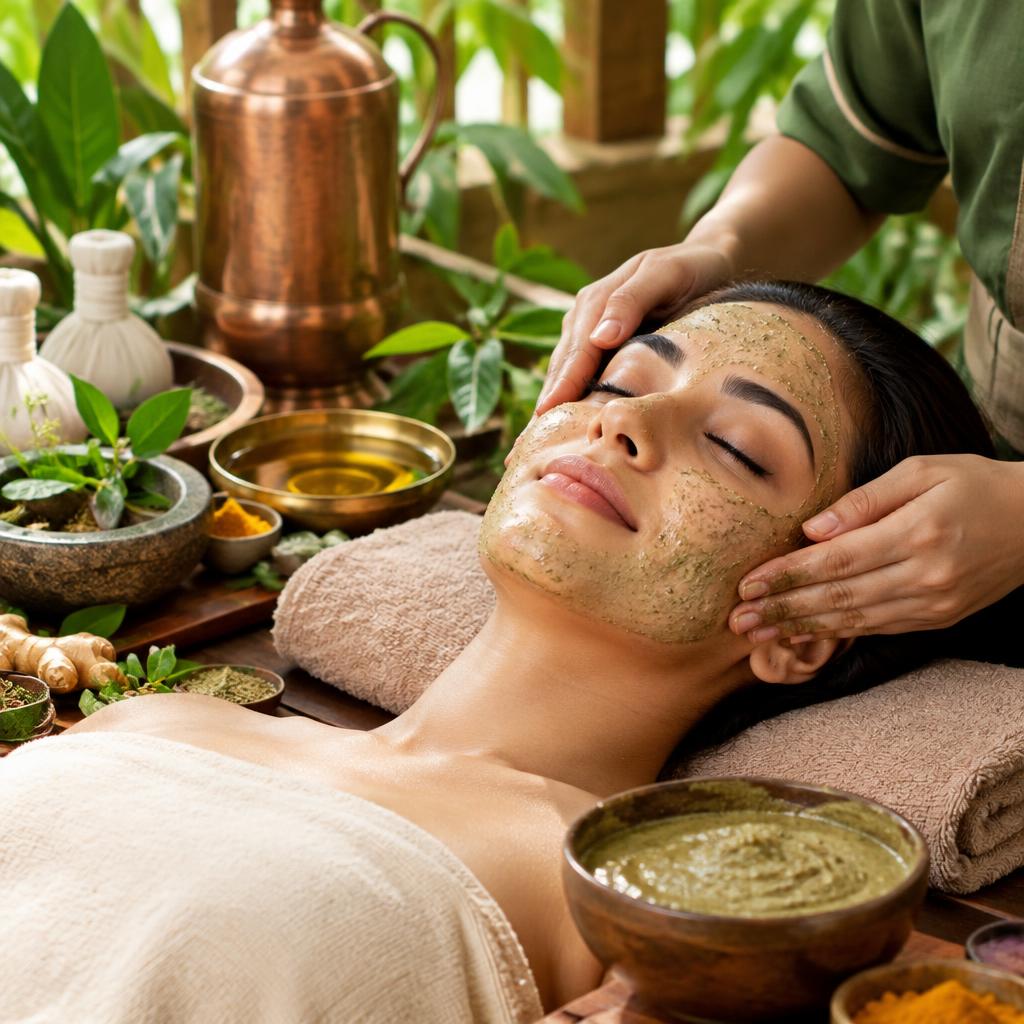
Why combine internal detox with external skin care?
Ayurvedic skin therapy treats the skin as a reflection of internal balance. Instead of only addressing the surface, experienced Ayurvedic physicians assess digestion, metabolism and systemic factors that can contribute to acne, pigmentation and dullness. Combining internal detox (Panchakarma or milder cleansing) with topical Ayurvedic facials aims to remove internal contributors while nourishing the skin externally—resulting in more durable, natural improvement than surface treatments alone.
What Panchakarma means for skin-related concerns
Panchakarma refers to classical cleansing procedures that may include therapies such as medicated enemas (Basti), controlled purgation (Virechana) or other preparatory treatments described in Ayurvedic practice. For people with persistent, systemic or long-standing skin issues—for example severe acne unresponsive to short-term treatment, chronic inflammatory eruptions, or metabolic imbalances—deeper cleansing may be recommended as part of a wider treatment plan to rebalance the body’s systems.
When a facial alone can be effective
Not every skin problem needs full Panchakarma. Stand-alone Ayurvedic facials and topical therapies are often appropriate for mild acne, dry or dull skin, early pigmentation concerns and routine maintenance. Treatments like Kumkumadi-based care, gentle deep cleansing, and targeted anti-acne or brightening facials can improve hydration, texture and immediate glow while topical measures and lifestyle adjustments address surface contributors.
How internal and external therapies work together
The two approaches are complementary: internal detox reduces factors such as digestive toxins and systemic inflammation that feed many skin problems, while facials deliver oils, herbal extracts and therapy to soothe, exfoliate and rejuvenate the skin barrier. In practice this means a patient might begin with a mild internal cleanse or a tailored Panchakarma package, then receive a course of Ayurvedic facials and topical prescriptions to maintain results and accelerate visible recovery.
Typical timelines and realistic expectations
Visible benefits vary by condition and individual. Many patients notice immediate improvements in skin hydration, softness and relaxation after a facial or a single therapeutic session; deeper changes in acne, pigmentation or chronic dullness usually take weeks to months. Practically, expect initial cosmetic improvements within days to a few weeks, and more sustained changes over 6–12 weeks with consistent internal therapy, topical care and lifestyle adjustments. The clinic’s emphasis on personalized treatment plans helps set realistic timelines for each case.
What to expect at a consultation and treatment plan
A careful consultation should review your medical history, diet, lifestyle and skin course to identify root causes. Based on that assessment, a physician may recommend a stand-alone facial course, a short cleansing protocol, or a more classical Panchakarma package combined with targeted facials and topical oils. Swastiyastu Ayurvaidyalaya’s approach—as reported by many patients—is to tailor therapies and explain the plan clearly, combining diet, daily routine changes and scheduled treatments for better outcomes.
Aftercare: home routine, topical products and lifestyle
Sustaining results requires consistent aftercare: appropriate Ayurvedic cleansers and nourishing oils, sleep and stress management, and diet adjustments that support digestion. Some customers choose traditional oils for nightly application and gentle daily cleansing to maintain the facial benefits at home. Follow-up visits and incremental adjustments to topical prescriptions or internal therapies help maintain progress and prevent relapses.
Choosing the right path for your skin in Delhi
If your skin concern is persistent, widespread, or linked with digestive or systemic symptoms, consider an evaluation that can determine whether a deeper detox is advisable. For localized or milder problems, a course of Ayurvedic facials and focused topical therapies may be sufficient. To explore options, book a consultation with an experienced Ayurvedic physician who can assess root causes and design a combined or standalone program suited to your needs; many patients report clear guidance and effective, personalized care at established centers in Chittaranjan Park and nearby New Delhi neighborhoods.
Customer review


Article by
Swastiyastu Ayurvaidyalaya
Swastiyastu Ayurvaidyalaya is a dedicated Holistic Ayurvedic Panchakarma Wellness Centre located in Chittaranjan Park, New Delhi. We offer authentic, personalized Ayurvedic treatments to heal the body, mind, and soul with an unmatched experience of over 20+ years of clinical expertise. Led by experienced Ayurveda Physician Dr. Supriya Sharma, our clinic provides specialized care including Panchakarma detox, classical Ayurvedic therapies, Keraleeya treatments, and targeted therapies for pain relief, stress management, women's wellness, and skin rejuvenation. We focus on restoring natural health and harmony for long-term well-being.