First-Time Panchakarma in Delhi: A Step-by-Step Guide for Beginners
A clear, practical guide for people in Okhla, Govindpuri, Greater Kailash and nearby areas who are considering their first Panchakarma at a Delhi Ayurvedic centre — what the assessment looks like, how programs are planned, what key procedures involve, daily routines and realistic benefits and precautions.
What Panchakarma Is — and Who Might Consider It
Panchakarma is a classical Ayurvedic approach to deep cleansing and rejuvenation that combines preparatory therapies, targeted elimination procedures and supportive treatments. People commonly seek it for persistent stress, chronic aches, digestive imbalances, skin concerns and as a structured detox after prolonged medication or lifestyle strain. At a dedicated clinic such as Swastiyastu Ayurvaidyalaya in Chittaranjan Park, practitioners create individualized plans to address root causes rather than only symptoms.
First Step: The Pre‑assessment and Consultation
Before any Panchakarma program begins you will have a detailed consultation with an Ayurveda physician. This typically covers medical history, current medicines, lifestyle, diet and a hands-on assessment. Many patients describe the consultation as thorough and focused on root causes; the clinic’s reviews also highlight attentive practitioners who listen and explain the plan. The physician will advise whether Panchakarma is appropriate for you now or whether preparatory measures are needed first.
Planning Duration and Customizing the Program
Panchakarma is not a one-size-fits-all treatment. The clinic will propose a program length and composition based on your health goals, the intensity of imbalance and how well you respond to preparatory therapies. Options range from targeted therapy packages focused on a single concern to classical multi-day detox programs that include several elimination procedures. Expect the physician to discuss realistic timeframes, daily schedule, and milestones before you commit.
What Happens During Key Procedures (Virechana, Basti and Supportive Therapies)
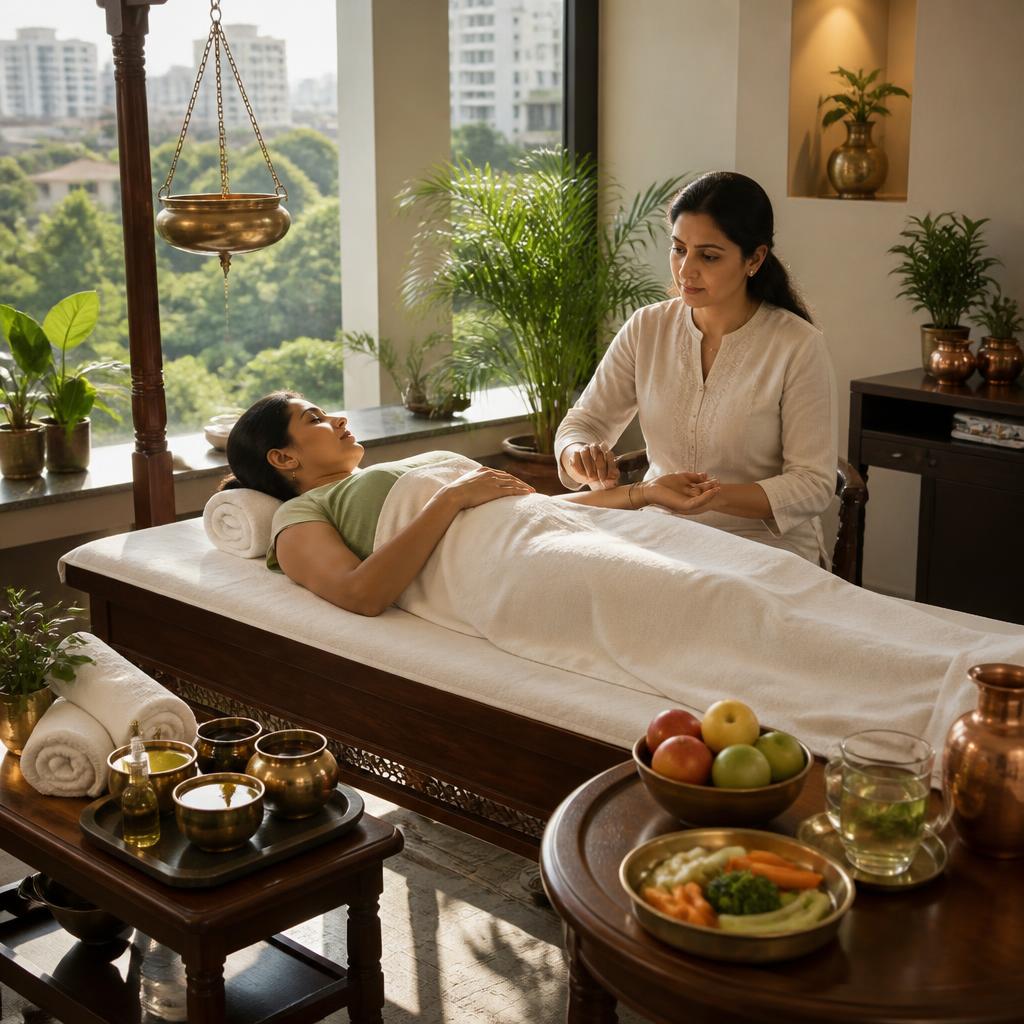
A Panchakarma program usually combines preparatory oil and massage therapies with specific elimination procedures. Virechana refers to therapeutic purgation intended to cleanse certain metabolic pathways, while Basti is a medicated enema therapy used for detoxification and balancing conditions related to the colon and nervous tissue. Supportive therapies commonly included at this centre are Abhyanga (full‑body oil massage), Shirodhara (continuous forehead oil flow for calming the nervous system), Nasya (medicated nasal administration) and localized bastis for joint or back complaints. Each procedure is explained by the physician, and therapists carry out treatments under clinical supervision.
Diet, Daily Routine and What to Expect During the Cleanse
Panchakarma involves a controlled diet and daily routine designed to support detoxification. You will receive specific dietary recommendations to follow before, during and after the program — generally simple, easily digestible meals and avoidance of heavy, oily or processed foods as advised by your physician. Daily schedules at the clinic typically combine therapy sessions, rest and light movement as tolerated. Hydration, restful sleep and following post‑session guidance are important for safety and better outcomes.
Practical Considerations for Office‑goers and Homemakers
If you work or manage household responsibilities, discuss scheduling and intensity with the clinic in advance. Some programs allow staggered appointments or lighter preparatory therapy so you can continue part‑time duties; others require several consecutive days of focused treatment and rest. For residents of Okhla, Govindpuri, Greater Kailash and nearby neighbourhoods, Swastiyastu in Chittaranjan Park is accessible for consultations and follow‑ups — the clinic team can recommend options that fit commute and availability without compromising the therapeutic plan.
Realistic Benefits, Precautions and Choosing the Right Clinic
Panchakarma can offer clearer digestion, reduced pain and stiffness, improved sleep and a sense of renewed energy when administered correctly and with appropriate aftercare. It is not an instant cure and results vary by individual and the nature of the condition being treated. Precautions include disclosing all medical history and medications, following physician instructions about diet and activity, and choosing a clinic with qualified physicians and experienced therapists. Many clients praise Swastiyastu’s calm atmosphere, personalized plans and professional staff, noting respectful behaviour and clear explanations from the doctor and team — factors worth considering when you choose where to have your first Panchakarma experience.
Customer review


Article by
Swastiyastu Ayurvaidyalaya
Swastiyastu Ayurvaidyalaya is a dedicated Holistic Ayurvedic Panchakarma Wellness Centre located in Chittaranjan Park, New Delhi. We offer authentic, personalized Ayurvedic treatments to heal the body, mind, and soul with an unmatched experience of over 20+ years of clinical expertise. Led by experienced Ayurveda Physician Dr. Supriya Sharma, our clinic provides specialized care including Panchakarma detox, classical Ayurvedic therapies, Keraleeya treatments, and targeted therapies for pain relief, stress management, women's wellness, and skin rejuvenation. We focus on restoring natural health and harmony for long-term well-being.