How an Ayurvedic Doctor in C.R. Park Designs a Personalised Wellness Plan: Diet, Lifestyle & Therapies
A step‑by‑step look at how a personalised Ayurvedic wellness plan is created at Swastiyastu Ayurvaidyalaya in Chittaranjan Park—covering history taking, dosha assessment, diet charts, lifestyle and yoga guidance, therapy selection, and follow‑up care.

Why personalised plans matter in Ayurveda
Ayurveda treats each person as a unique combination of physical, mental and lifestyle factors. Rather than offering a one‑size‑fits‑all remedy, clinicians aim to identify the underlying imbalance (dosha disturbance) and design a plan that addresses cause and symptoms together. At a dedicated Panchakarma and wellness centre in Chittaranjan Park, that approach means combining careful clinical assessment with therapeutic, dietary and daily‑routine changes tailored to individual needs.
First step: detailed history and examination
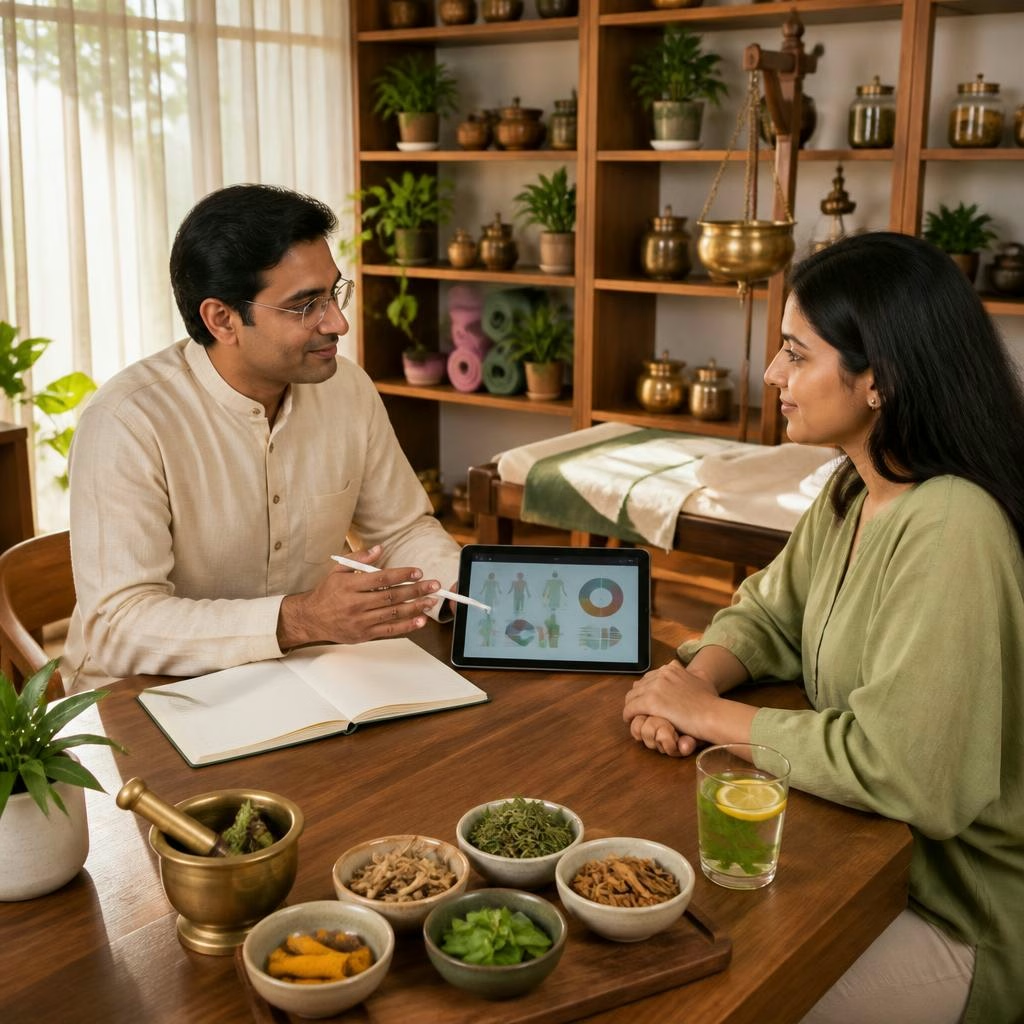
A typical first visit begins with an extended consultation. The practitioner takes a thorough history: current complaints, past medical events, sleep and bowel patterns, eating habits, stressors, work and exercise routines, and previous treatments. Traditional Ayurvedic examinations—pulse (nadi), tongue, skin and eye observations—are used alongside the clinical history to build a complete picture. Reviews of patient experiences highlight that practitioners take time to listen and explain findings, which helps patients understand the rationale behind recommendations.
Dosha assessment and root‑cause analysis
Using the collected information the Ayurvedic doctor assesses dominant doshas (Vata, Pitta, Kapha) and identifies imbalances driving the problem. Root‑cause analysis often focuses on digestion (agni), toxin build‑up (ama), and lifestyle contributors. This diagnostic framing determines whether the plan emphasises calming, heating, nourishing or cleansing measures—for example, whether a treatment pathway will prioritise detoxification (Panchakarma) or ongoing metabolic support and rejuvenation.
Personalised diet charts and daily routine (Dinacharya)
Diet is central to any plan. Rather than prescribing restrictive fads, the clinician creates practical diet guidance aligned to the patient’s constitution and therapeutic goals—foods to favour, foods to avoid, meal timing, and simple preparation tips. Daily routine advice (sleep timing, morning practices, hydration, and work‑life balance) is tailored so it can be realistically followed. Patients frequently report that clear, actionable diet and routine advice makes a measurable difference in energy, digestion and sleep.
Yoga, breathing and stress management guidance
Lifestyle support often includes specific yoga postures, pranayama (breathing) practices and relaxation techniques chosen for the patient’s condition—whether to relieve back pain, ease anxiety, support hormonal balance or improve sleep. The emphasis is on simple, repeatable practices that complement therapies and medicines. Stress reduction and improved sleep are common early benefits that help accelerate clinical progress.
Selecting therapies: matching treatments to needs
Therapies are selected to work with—rather than replace—dietary and lifestyle changes. Options available at the clinic range from classical Panchakarma detoxification packages to targeted Keraleeya therapies. For circulation and relaxation: Abhyanga and potli massage; for calming the mind and sleep: Shirodhara or Takradhara; for joint and back issues: Kati Basti, Janu Basti or Elakizhi; for long‑term Vata‑related problems: Basti; for rejuvenation and neurological fatigue: Pizhichil or Njavarakizhi. Nasya may be proposed for chronic sinus or headache patterns, while Hridaya Basti can support anxiety‑related symptoms. The clinician explains why a specific therapy is chosen and how it supports the overall plan.
Follow‑up, monitoring and patient‑centred care
A personalised plan includes scheduled follow‑ups to monitor progress, adjust medicines and therapies, and refine diet or routine guidance. Clinicians measure improvement across symptoms, sleep, digestion and energy—making stepwise changes rather than abrupt shifts. Patient feedback often highlights the clinic’s explanatory, compassionate style and the staff’s professionalism, which helps patients stay engaged. Because effectiveness depends on adherence and lifestyle change, ongoing communication and realistic goal setting are part of the care model.
What new patients can expect at the centre
If you visit Swastiyastu Ayurvaidyalaya in Chittaranjan Park you can expect a calm, clean environment, a thorough consultation process, clear explanations of root causes and a blended plan of diet, lifestyle, and selected Ayurvedic therapies. Many patients report measurable improvements in energy, digestion and symptom control after following the personalised recommendations. If you are considering Ayurvedic care, look for a clinician who asks detailed questions, explains the reasoning behind each element of the plan, and offers practical steps you can follow at home.
Customer review


Article by
Swastiyastu Ayurvaidyalaya
Swastiyastu Ayurvaidyalaya is a dedicated Holistic Ayurvedic Panchakarma Wellness Centre located in Chittaranjan Park, New Delhi. We offer authentic, personalized Ayurvedic treatments to heal the body, mind, and soul with an unmatched experience of over 20+ years of clinical expertise. Led by experienced Ayurveda Physician Dr. Supriya Sharma, our clinic provides specialized care including Panchakarma detox, classical Ayurvedic therapies, Keraleeya treatments, and targeted therapies for pain relief, stress management, women's wellness, and skin rejuvenation. We focus on restoring natural health and harmony for long-term well-being.