Panchakarma vs Single-Day Therapies: Planning an Ayurvedic Detox Around a Busy Delhi Schedule
A practical guide for Delhi office-goers and business owners to choose between multi-day Panchakarma and shorter Ayurvedic therapies, with tips on timing, workplace-friendly scheduling, expected benefits, and how to prepare without disrupting daily life.
Why think about Panchakarma or single-day therapies
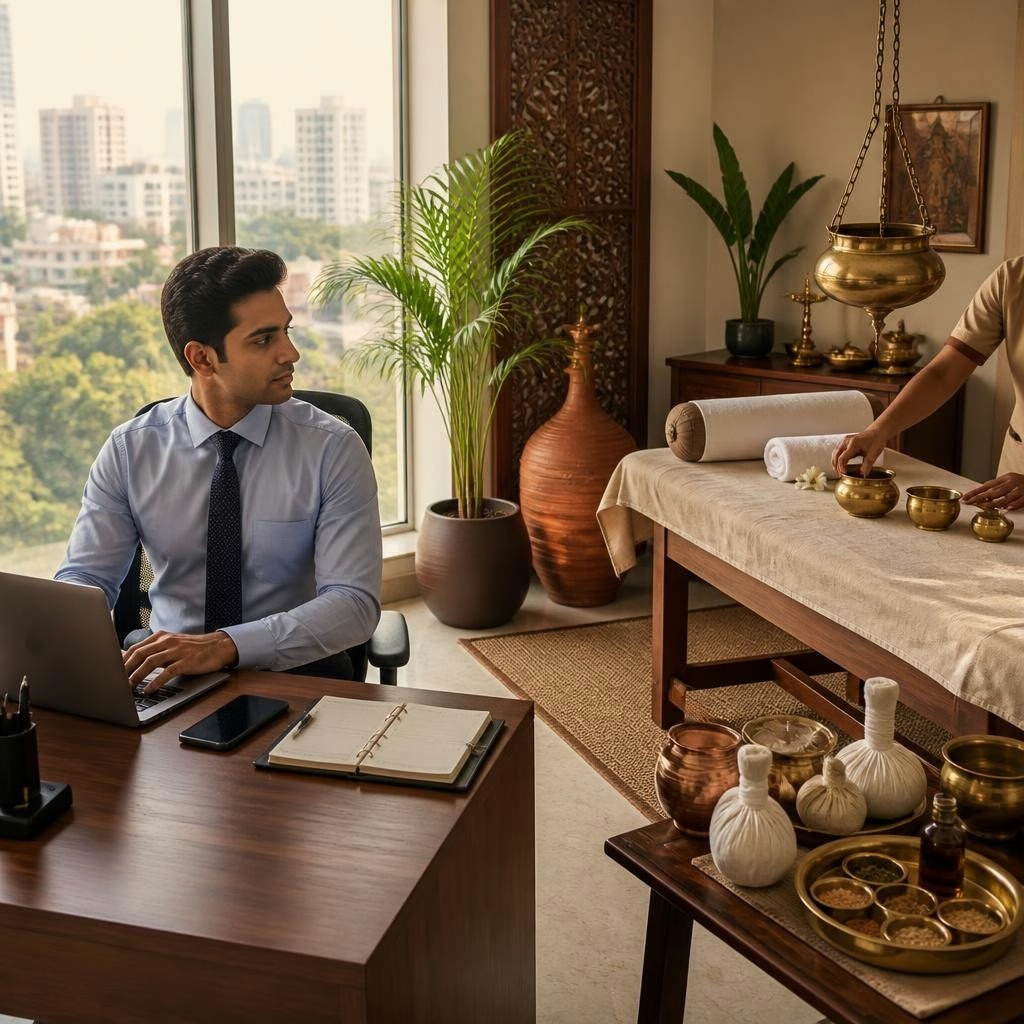
If you work full time in Delhi or run a business, it helps to distinguish deep Ayurvedic detoxification (Panchakarma) from single-day or short therapies (Abhyanga, Udvartana, Shirodhara, Basti, Nasya). Both approaches can support wellbeing, but they differ in intensity, time commitment, and purpose. This article explains practical differences and offers scheduling strategies so you can choose a safe, effective plan that fits work and family responsibilities.
What Panchakarma and single-day therapies actually are
Panchakarma is a classical, multi-day detoxification program intended to remove deep-seated toxins and rebalance body systems; the clinic lists Panchakarma Detox as a multi-day package that may include procedures such as Vaman, Virechan and Basti where appropriate. Single-day therapies—such as Abhyanga (full-body oil massage), Udvartana (herbal powder massage), Shirodhara (forehead oil flow), and individual Basti sessions—are shorter treatments focused on relaxation, circulation, targeted relief and symptomatic improvement. Both are part of classical Ayurvedic care and are offered at the clinic in Chittaranjan Park.
Time commitments and realistic scheduling options
Panchakarma typically needs consecutive sessions and medical supervision over several days, which means planning time away from work or arranging a block of lighter duties. If a long absence isn’t possible, consider alternatives: a phased approach with a short Panchakarma block during annual leave, or a course of single-day therapies spaced across weekends and evenings. Many professionals combine weekly Abhyanga or Shirodhara sessions for stress relief with a single short Basti or Kati Basti for localized issues, then schedule a deeper Panchakarma when a longer break is available.
When to schedule detox in Delhi’s climate
Seasonal factors can influence comfort and outcomes. In Delhi’s extremes—hot summers and cold winters—some people prefer milder transitional periods for deeper detox work. A practical approach is to avoid scheduling intensive cleansing during the hottest or coldest days; instead choose a time when you can rest comfortably, stay hydrated and follow dietary post-care. Always confirm timing with your Ayurvedic physician, who will consider your personal constitution and current health before recommending dates.
What results to expect and realistic timelines
Panchakarma aims for deeper, longer-lasting shifts by addressing root causes and systemic imbalance; improvements may continue for weeks after the program when combined with diet and lifestyle changes. Single-day therapies generally give immediate benefits such as reduced stress, improved sleep, eased muscle tension and better circulation, and can be repeated regularly for cumulative effect. The clinic’s focus on personalized plans means expected outcomes are discussed during consultation rather than promised in advance.
Preparing, aftercare and fitting recovery into family life
Plan practicalities to reduce disruption: communicate leave needs with your employer, arrange household support for intensive days, and block quiet time for rest after sessions. Before deeper therapies you may be advised to follow light meals and avoid heavy alcohol or stimulants; aftercare often includes gentle diet, hydration, and follow-up advice. Short therapies are easier to slot into evenings or weekends; deeper Panchakarma will require stricter rest and follow-up, so coordinate family schedules in advance.
Choosing the right plan at Swastiyastu Ayurvaidyalaya
At Swastiyastu Ayurvaidyalaya in Chittaranjan Park, Dr. Supriya Sharma and her team provide classical Panchakarma programs as well as Abhyanga, Udvartana, Shirodhara, Kati/Janu/Griva Basti and other targeted therapies. The clinic is frequently noted by customers for its comfortable environment and attentive staff, and consultations emphasize personalized, root-cause care to match treatment intensity with your time constraints and goals. Start with a health consultation to discuss work constraints, seasonal timing, and a follow-up plan—this helps determine whether a short course of therapies or a scheduled Panchakarma block will best meet your needs.
Customer review


Article by
Swastiyastu Ayurvaidyalaya
Swastiyastu Ayurvaidyalaya is a dedicated Holistic Ayurvedic Panchakarma Wellness Centre located in Chittaranjan Park, New Delhi. We offer authentic, personalized Ayurvedic treatments to heal the body, mind, and soul with an unmatched experience of over 20+ years of clinical expertise. Led by experienced Ayurveda Physician Dr. Supriya Sharma, our clinic provides specialized care including Panchakarma detox, classical Ayurvedic therapies, Keraleeya treatments, and targeted therapies for pain relief, stress management, women's wellness, and skin rejuvenation. We focus on restoring natural health and harmony for long-term well-being.