PCOS and Irregular Periods: When to Consider Ayurvedic Treatment in South Delhi
A practical guide for women in 110019 and nearby areas explaining how Ayurveda assesses hormonal imbalances like PCOS, what an initial clinic assessment looks like, and how therapies, diet, and lifestyle at a Panchakarma centre can complement conventional care.
Why consider Ayurveda for PCOS and irregular menstruation?
Many women with PCOS (PCOD), irregular cycles, acne, unexplained weight gain or difficulty conceiving look for complementary approaches when symptoms persist. Ayurvedic care focuses on identifying underlying imbalances and supporting the body’s own regulation rather than only treating surface symptoms. For women in and around Chittaranjan Park (110019) who prefer a holistic pathway, Ayurvedic consultations can offer individualized plans combining lifestyle, internal herbal support, and targeted therapies.
How Ayurveda views hormonal imbalance
Ayurveda frames menstrual and metabolic issues as disturbances of doshas and dhatus that affect reproductive and metabolic systems. Practitioners assess digestion (agni), metabolic waste (ama), and nervous-endocrine balance to map how symptoms arose and persist. This perspective guides interventions aimed at improving digestion and detoxification, calming the nervous system, and restoring regular physiological rhythms rather than providing a one-size-fits-all prescription.
Typical assessment at an Ayurvedic Panchakarma clinic
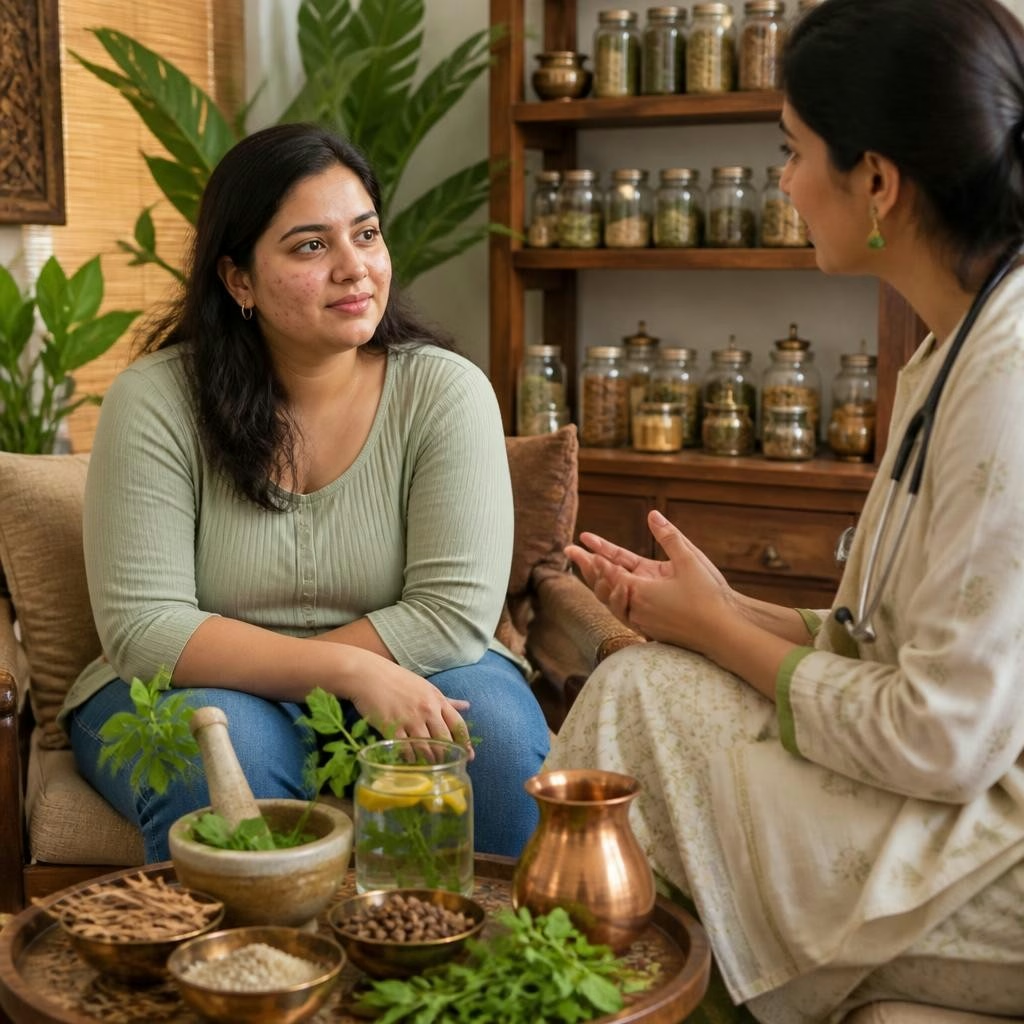
A clinic assessment usually begins with a detailed history: menstrual pattern, cycle length, flow characteristics, weight changes, skin issues, sleep and stress, and prior investigations or medications. Traditional exams (including pulse assessment and tongue observation) are combined with discussion of lifestyle and any recent lab results. At Swastiyastu Ayurvaidyalaya, reviews highlight thorough, root-cause focused consultations and individualized plans—patients report that clinicians listen carefully, explain diet and medicines, and tailor therapy accordingly.
Therapies and treatments commonly used to support reproductive health
Ayurvedic care for PCOS-related symptoms often blends internal medicines with external therapies offered at Panchakarma centres. Treatments available at the clinic that may be part of a plan include Yoni Chikitsa and Uttar Basti for gynecological support, Basti (medicated enema) and Panchakarma detox programmes for systemic cleansing, and Keraleeya therapies such as Pizhichil, Abhyanga and Njavarakizhi to improve circulation and nervous-system balance. Topical and facial therapies are also used to help acne and skin concerns while addressing internal balance. All therapies are individualized and monitored over time.
Diet, lifestyle and exercise recommendations that typically accompany treatment
Effective Ayurvedic plans emphasize dietary adjustments to improve digestion and reduce metabolic toxins, structured daily routines to stabilise hormones, and exercise that supports insulin sensitivity and stress relief. Recommendations are tailored to a patient’s constitution and current state—examples include meal timing and food choices that are easier to digest, stress-reduction practices (breathing, restorative therapies), and moderate physical activity. These practical measures are designed to complement in-clinic therapies and support sustainable change.
How Ayurvedic care can work alongside conventional medicine
Ayurvedic treatment is often used as a complementary approach rather than a replacement for conventional gynecological care. It is appropriate to coordinate with your gynecologist or endocrinologist—sharing test results and treatment plans—especially if you are on hormonal medication or insulin-sensitizing drugs. Ayurvedic clinicians typically adapt herbal and procedural recommendations with awareness of ongoing conventional therapies to ensure safe, collaborative care.
When to book a consultation at our Chittaranjan Park clinic
Consider scheduling an Ayurvedic consultation if you have persistent cycle irregularities, bothersome acne or weight concerns linked to menstrual changes, difficulty conceiving, or when you want a holistic plan that addresses lifestyle and root causes. At Swastiyastu Ayurvaidyalaya in CR Park, patients highlight attentive listening, personalized plans and visible improvements after following prescribed regimens. A first visit usually clarifies whether an Ayurvedic programme (diet and lifestyle changes, targeted therapies, or a Panchakarma detox) may be appropriate and how it can be integrated with any existing medical care.
Customer review


Article by
Swastiyastu Ayurvaidyalaya
Swastiyastu Ayurvaidyalaya is a dedicated Holistic Ayurvedic Panchakarma Wellness Centre located in Chittaranjan Park, New Delhi. We offer authentic, personalized Ayurvedic treatments to heal the body, mind, and soul with an unmatched experience of over 20+ years of clinical expertise. Led by experienced Ayurveda Physician Dr. Supriya Sharma, our clinic provides specialized care including Panchakarma detox, classical Ayurvedic therapies, Keraleeya treatments, and targeted therapies for pain relief, stress management, women's wellness, and skin rejuvenation. We focus on restoring natural health and harmony for long-term well-being.