Gas vs Electric Cookers in UAE Commercial Kitchens: A Practical Guide for Restaurateurs
A practical comparison of gas and electric cookers for restaurants and cafeterias in the UAE, covering reliability, installation, running costs, safety, and how to choose the right option for kitchens in Dubai, Sharjah and beyond.

Why the gas vs electric decision matters
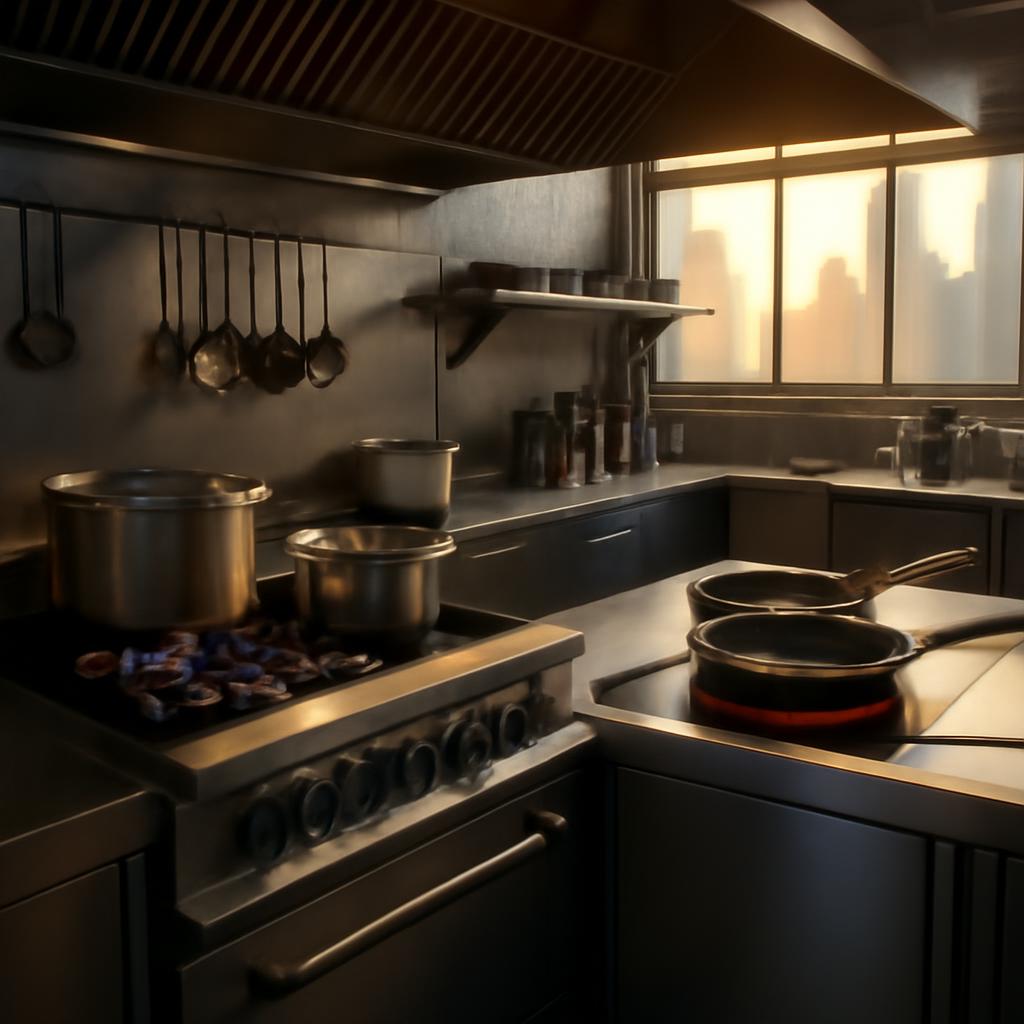
Choosing between gas and electric cookers affects daily operations, food quality, staff efficiency and long-term running costs. For UAE restaurateurs — whether opening a small café in Sharjah or upgrading a busy kitchen in Dubai — the cooker type influences ventilation needs, utility connections, installation complexity and the kinds of dishes your team can prepare reliably during service.
Local context: supply, service and city differences
Across the Emirates, kitchens face different practical constraints: urban sites in Dubai often have ready access to large electrical supplies and professional installation services, while some locations benefit from piped natural gas or rely on LPG. United Catering Equipment supplies both gas and electric solutions and supports restaurants across Sharjah, Dubai, Abu Dhabi and other UAE areas, so equipment choice can be matched to local utility availability and site constraints.
What to expect from a supplier
When selecting equipment, restaurateurs should look for reliable supply, clean and well-serviced units, clear delivery and professional installation. Customers routinely praise suppliers that combine quality products with responsive service and after‑sales support — factors that matter as much as the technical differences between gas and electric models. If you need hands‑on advice, companies that offer installation, maintenance and delivery across the UAE can help assess site readiness.
Gas cookers: strengths for professional kitchens
Gas cookers offer immediate, visible flame control and rapid heat changes that many chefs prefer for sautéing, stir‑frying and high‑temperature searing. They can be more forgiving when multiple pans are in use and are commonly chosen for large-volume cooking lines. Gas ranges and burners are widely available as commercial models and are valued for their responsiveness and simplicity of repair.
Gas cookers: practical considerations in the UAE
Gas appliances require an appropriate fuel supply (piped natural gas or LPG), certified gas connections and adequate ventilation, including extractor hoods and correct ducting. Some buildings restrict piped gas, so LPG tanks may be used instead — each option has different space, safety and refilling implications. Confirm local authority requirements, landlord permissions and the availability of qualified installers before committing to gas.
Electric cookers: advantages to consider
Electric commercial cookers — including convection ovens, electric ranges and induction hobs — provide precise temperature control and consistent results, especially for baking, sous‑vide finishing and temperature‑sensitive dishes. Induction offers fast heat-up and energy efficiency at the pan level, and electric ovens generally deliver even baking and roasting with less need for open‑flame ventilation.
Electric cookers: site and power requirements
Electric equipment demands the right electrical infrastructure: commercial ovens and high‑output ranges often need three‑phase power or high‑amp single‑phase circuits. Upgrading panels or wiring can be costly and requires coordination with an electrician and your utility. Also consider backup plans: power outages affect electric-only kitchens, so check whether your location needs generator support or a mixed-fuel approach.
Sizing your choice to kitchen scale and menu
For small cafés with limited space and menus centered on coffee, toasts or pastries, electric or induction equipment can save on ventilation and deliver consistent daily results. Medium and large restaurants that rely on high‑heat cooking or fast turnaround of multiple pans may favor gas for stovetop work while using electric ovens for baking and finishing. Many commercial kitchens adopt a hybrid line — gas for ranges, electric for ovens and specialty equipment — to balance control and efficiency.
Installation, running costs and maintenance
Running costs depend on local electricity and fuel tariffs, equipment efficiency and usage patterns. Induction tends to be efficient for stovetop cooking, while gas can be economical where piped natural gas is available. Factor in maintenance: commercial appliances require routine cleaning, servicing and occasional repairs; working with a supplier that offers installation and after‑sales maintenance across the UAE reduces downtime and keeps equipment performing as expected.
A practical checklist to decide — and where to get help
Use this practical checklist before buying: 1) Review your menu and identify high‑heat vs precise‑temperature needs; 2) Verify on‑site utilities (piped gas, LPG access, electrical panel capacity, three‑phase availability); 3) Confirm ventilation and fire‑safety requirements; 4) Assess staff familiarity and training needs; 5) Compare total cost: purchase plus installation, utility upgrades and long‑term running costs; 6) Ask suppliers about delivery, installation and maintenance plans. For assistance with commercial kitchen equipment dubai and across the UAE, contact suppliers who provide both gas and electric options, site surveys and after‑sales support — these services make the decision practical and reduce implementation risk.
Customer review


Article by
United Catering Equipment - Commercial Kitchen Equipment
Find The Right Cookware For Your Cooking Style ,Ask Our Experts . Start Free Chat For Advice ,Smart Tips ,For Your Business . GCC Delivery Available 🚛 . Cooking appliance for automatically cooking (Automatic mode) meat, poultry, fish, side dishes/vegetables, egg dishes/desserts, bakery products and for automatic finishing®. With an intelligent system for optimising mixed loads in production and in à la carte service as well as a fully automatic cleaning and care system.