Smart Hot Holding for Busy Lunch Restaurants in Dubai: Choosing and Arranging Bain‑Maries, Hot Cabinets and Display Warmers
Practical guidance for Dubai cafeterias and office‑area restaurants on selecting, placing, and operating bain‑maries, hot cabinets and display warmers to keep rice, curries and grilled items safe, ready and high quality during peak lunch service.

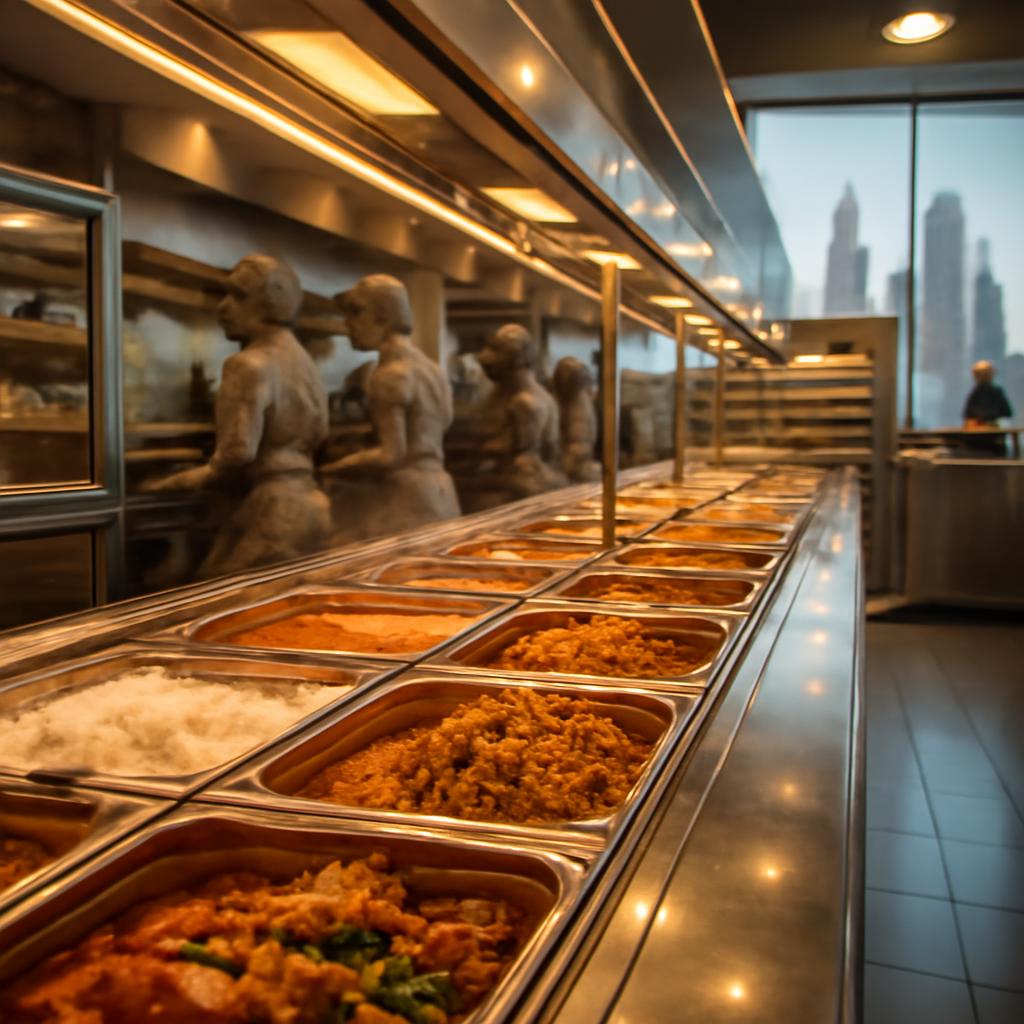
Why smart hot holding matters for lunch service
At lunchtime, kitchens must balance speed, portion consistency and food safety. The right hot‑holding setup keeps rice, curries and grilled items at serving temperature without drying or overcooking, reduces plate‑up time at peak, and lowers waste from spoilage. For Dubai cafeterias and office‑area restaurants that see concentrated demand over 60–90 minutes, an efficient holding strategy directly improves throughput and customer satisfaction.
Match equipment to what you serve
Different dishes need different holding environments. Wet, saucy items (curries, stews and some braises) do best in humid holding systems or bain‑maries that preserve moisture. Dry or finished grilled items are usually better in ventilated hot cabinets that maintain crispness. Display warmers work for front‑of‑house items where visibility and quick self‑service matter. Start by listing your top 5 lunchtime items and choose equipment that preserves their texture and appearance.
Bain‑maries: preserving moisture and steady temperatures
Bain‑maries are ideal for sauces, curries and rice when you need even, moist heat. Look for units with accurate thermostatic control and good humidity management so rice stays fluffy and sauces don’t skin over. For mixed loads, choose models or controls that allow different insert depths or modular pans so you can match pan size to portion demand. United Catering Equipment’s product descriptions note intelligent systems for optimising mixed loads—this kind of feature helps when you’re holding several recipes at once.
Hot cabinets and heated holding: keeping plates ready
Heated holding cabinets are useful for finished plates and grilled proteins that should stay hot without continuing to cook. Prioritise cabinets with even air circulation (fans or designed airflow), adjustable shelving and separate trays to avoid steam buildup that softens crusts. If you need to hold mixed items, opt for cabinets with low‑humidity modes or separate compartments. Shelving layout should match your plating rhythm—stacking too tightly slows heat recovery when the door opens frequently.
Display warmers for grab‑and‑go and visual appeal
Display warmers are designed to tempt passing customers while safely keeping portions at serving temperature. Use them for pastries, pre‑plated mains or rice boxes that move quickly. Keep top lighting and glass cleanliness in mind—visibility affects sales—while ensuring the unit maintains appropriate holding temperatures and easy access for staff to replenish without long door openings.
Plan layout and capacity for peak lunch flow
Map your lunch rush: calculate typical covers per hour and identify bottlenecks (plating, service counter, till). Place holding units near the plating station to reduce carry time and keep a short path from cooker to warmer. Consider staging: a small hot cabinet for immediate plating, a bain‑marie for backup pans, and a display warmer for grab‑and‑go items. Aim for at least one refill or swap point where cooled pans are replaced by hot pans without interrupting service.
Temperature control and food‑safety best practices
Keep hot foods at safe holding temperatures—commonly above 60°C—to limit bacterial growth. Use continuous or frequent temperature checks (probe thermometers or built‑in sensors) and timestamp pans when placed into holding. Avoid repeatedly reheating the same portion; instead rotate hot pans into service. Train staff to record holding times and to discard items that exceed safe holding windows or show quality loss. These procedures protect customers and maintain consistency during high‑pressure lunch service.
Operate efficiently: energy, recovery and mixed loads
Efficiency matters during daily peaks. Preheat holding units so they recover quickly when doors open. Group similar items to reduce temperature variation and avoid overfilling cabinets, which slows recovery. Where available, use intelligent systems that optimise mixed loads and manage humidity—features described in some commercial models help maintain quality while saving energy. Regularly servicing seals, fans and controls keeps recovery times short and energy use predictable.
Cleaning, maintenance and reliable after‑sales support
Clean, well‑maintained warmers perform better and last longer. Look for models that offer easy access to pans, removable trays and, where available, automatic cleaning cycles to reduce labor. When choosing a supplier, prioritise one that offers supply, installation and continued maintenance and repair—customers commonly highlight responsive after‑sales service and professional installation as a key factor when buying commercial kitchen equipment. That support is especially valuable during a busy lunchtime operation when downtime has immediate cost.
Practical checklist to set up your lunch‑service holding line
Start with a short audit: list your top lunchtime items, estimate peak hourly servings, and note current bottlenecks. Choose a combination of bain‑marie(s) for moist items, a heated cabinet for plated or grilled items, and a display warmer for grab‑and‑go. Ensure visibility and short carry distance to the plating station, install accurate temperature monitoring, and schedule regular cleaning and preventive maintenance. For tailored solutions and installation support in Dubai, consider suppliers experienced in commercial kitchen equipment dubai who can advise on sizing and on‑site setup and provide maintenance contracts and delivery across the UAE.
Customer review


Article by
United Catering Equipment - Commercial Kitchen Equipment
Find The Right Cookware For Your Cooking Style ,Ask Our Experts . Start Free Chat For Advice ,Smart Tips ,For Your Business . GCC Delivery Available 🚛 . Cooking appliance for automatically cooking (Automatic mode) meat, poultry, fish, side dishes/vegetables, egg dishes/desserts, bakery products and for automatic finishing®. With an intelligent system for optimising mixed loads in production and in à la carte service as well as a fully automatic cleaning and care system.