Starter Equipment Checklist for Home Food Brands Moving into a Shared Central Kitchen in Dubai
Practical guidance on which dedicated pieces of equipment small food brands should buy when renting space in a shared central kitchen, how to avoid clashes with common facilities, and what to ask suppliers.

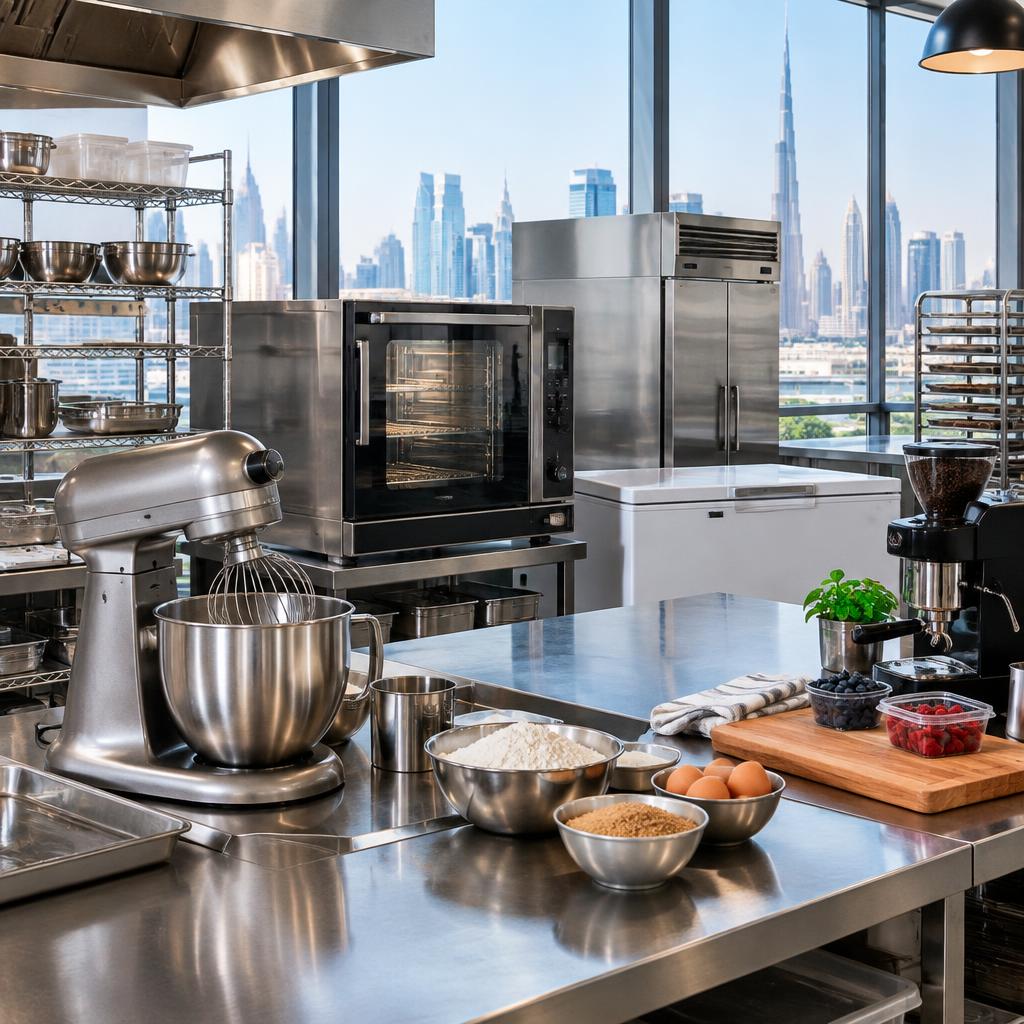
Why choosing the right starter gear matters
Moving a home food brand into a shared central kitchen is a step toward scale, but shared facilities are designed to be used by many operators. Bringing the right dedicated items helps you keep consistent product quality, avoid scheduling conflicts at peak times, and maintain hygiene standards unique to your recipes. This article focuses on pragmatic choices—compact, high-use items you’ll likely want to own rather than rely on from the common area.
Mixers: aim for capacity that matches your batch size
A reliable mixer is often the first purchase for bakeries, pastry shops and busy meal-prep lines. United Catering’s services include professional mixer equipment suitable for commercial kitchens; when choosing, match bowl capacity and power to your typical batch rather than occasional peak loads. Small-to-medium stand or countertop mixers offer a low footprint and let you prepare dough, batters and fillings without waiting in line for a shared machine.
Ovens: choose compact and flexible options
Commercial ovens are commonly available in shared kitchens, but having a dedicated oven can prevent bottlenecks and protect recipe consistency. Look for compact convection or countertop ovens (or small stackable units) that fit your product size and throughput. Prioritise even heat distribution and easy cleaning—features emphasized in professional ovens available from local suppliers—to reduce downtime between production runs.
Refrigeration: the case for your own cold storage
Relying only on shared cold rooms can risk cross-contamination and spoilage during busy periods. Tabletop freezers and chillers, as well as upright freezers, are practical starter purchases: they secure your mise en place, bulk ingredients and finished goods ready for dispatch. When selecting refrigeration, check temperature accuracy, defrosting method, and available service support—these factors affect food safety and operating cost in the long run.
Coffee and beverage gear: bring your identity
If beverages or branded coffee are central to your offer, a dedicated coffee machine, grinder and brewer preserve taste consistency and speed of service. United Catering lists coffee line equipment and grinders among their services—owning compact, reliable coffee gear avoids clashes with other operators and supports consistent portioning and flavour that build customer recognition.
Specialty equipment: buy only what you’ll use regularly
Specialised machines—such as ice cream makers, pasta cookers, shawarma units or rolling machines—can be decisive for product quality but also occupy space and budget. If a specific item is core to your menu, invest in a compact, commercial-grade version; if it’s occasional, check whether the shared kitchen schedules or a nearby supplier can provide access. Prioritise machines that match your production rhythm and hygiene needs.
Hot holding and finishing gear for consistent service
Hot food storage and food warmers help you hold product at safe serving temperatures and keep texture and moisture consistent during service windows. A small dedicated hot-holding unit is a smart purchase if you deliver or serve at specific times—this prevents repeated reheating and reduces stress on shared cooking lines.
Space, power and compliance checks before any purchase
Before buying equipment, confirm the shared kitchen’s rules on electrical load, gas connections, ventilation and footprint limits. Measure doorways and storage space to ensure delivered units can be installed without modification. Also review cleaning and waste-disposal expectations so your new machine can be kept to the kitchen’s hygiene standards. These practical checks avoid wasted spend and installation delays.
Logistics, installation and after-sales considerations
When sourcing kit, factor in delivery, professional installation and maintenance. Many customers highlight competitive pricing, clean equipment and supportive after-sales service from local suppliers; delivery across the GCC and installation support are commonly offered. Ask potential vendors about lead times, spare-parts availability, and routine servicing packages—these reduce downtime and keep production consistent in a shared kitchen environment.
A short buying checklist to get started
Use this quick checklist when deciding what to buy: 1) Prioritise items you’ll use daily (mixers, a small oven, dedicated refrigeration). 2) Choose compact, easy-to-clean models that match your batch size. 3) Verify electrical/gas requirements and door dimensions with the shared kitchen. 4) Consider branded items that affect customer experience (coffee or signature dessert machines). 5) Confirm delivery, installation and local maintenance options. If you need tailored advice, reach out to suppliers who specialise in commercial kitchen equipment dubai and related after‑sales support to compare options that fit your menu and budget.
Article by
United Catering Equipment - Commercial Kitchen Equipment
Find The Right Cookware For Your Cooking Style ,Ask Our Experts . Start Free Chat For Advice ,Smart Tips ,For Your Business . GCC Delivery Available 🚛 . Cooking appliance for automatically cooking (Automatic mode) meat, poultry, fish, side dishes/vegetables, egg dishes/desserts, bakery products and for automatic finishing®. With an intelligent system for optimising mixed loads in production and in à la carte service as well as a fully automatic cleaning and care system.