Bathroom Renovation in Dubai: How to Avoid Leaks, Mould and Costly Rework
Practical guidance for Dubai homeowners on critical bathroom renovation steps—waterproofing, drainage falls, ventilation, tile choices, testing and maintenance—so upgrades last in humid conditions and meet inspection expectations.

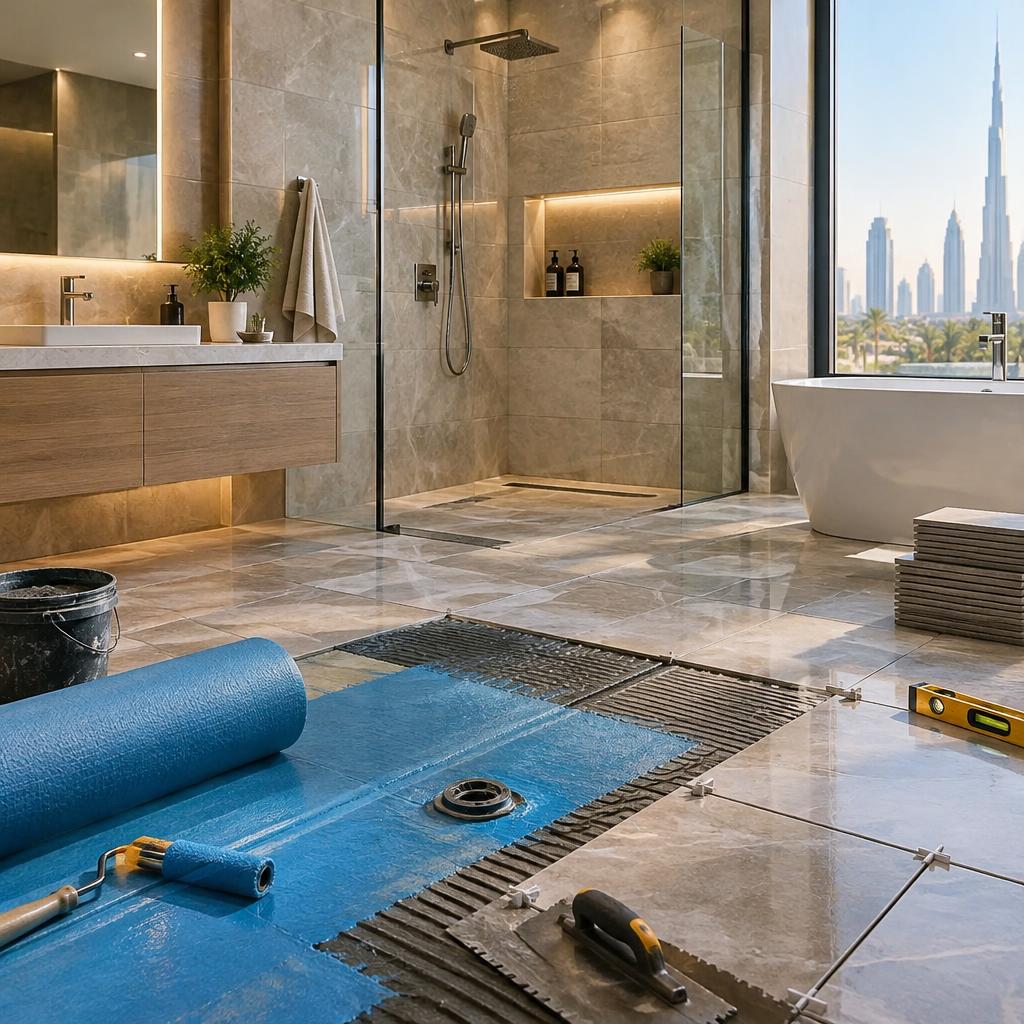
Why bathroom detailing matters in Dubai
Bathrooms in Dubai face warm, humid conditions and high daily use that make waterproofing, reliable drainage and good ventilation essential. Small construction oversights can lead to recurrent leaks, visible mould, surface deterioration and repeated repair work. A well-planned renovation at the start reduces long-term maintenance, improves durability and helps projects meet local inspection requirements.
Start with a clear scope and coordinated design
Begin any bathroom project with a detailed scope that includes structural changes, plumbing routing, drainage points, finishes and ventilation strategy. Coordinate the interior layout with the MEP plan so wet zones, service access and penetrations are resolved in design rather than on-site. This reduces surprises during construction and makes it easier to apply consistent waterproofing where it matters most.
Waterproofing systems: choosing the right approach
Effective waterproofing is the single biggest factor in preventing leaks and mould. Options commonly used in modern renovations include cementitious membranes, liquid-applied membranes and sheet membranes. The important considerations are correct substrate preparation, continuous coverage across wet zones, and secure detailing at transitions (walls-to-floor, drains, and around fixtures). Select a system suitable for tiled finishes and ensure installers follow the manufacturer’s application sequence and curing recommendations.
Detailing around penetrations and fixtures
Leaks often start where pipes, drains and fixtures penetrate the waterproofing layer. Use purpose-made collars, sealants and flashing at shower outlets, floor drains, taps and recessed fixtures. Make sure service access points (for concealed cisterns or valves) are planned so waterproofing can be continuous and inspected. A carefully detailed penetration is far easier to inspect and maintain than a patched repair after a leak.
Getting the drainage falls right
A proper fall (slope) towards drains prevents standing water that accelerates grout degradation and promotes mould. Floors and shower trays should be graded to channel water quickly to the outlet while avoiding abrupt transitions that can crack tiles or grout. During planning, indicate drain locations clearly and arrange plumbing so the finished fall is achievable without excessive build-up or over-screeding the floor.
Tile selection, adhesives and grout best practices
Choose tiles and adhesives appropriate for wet areas: non-porous or low-porosity tiles, flexible adhesives rated for wet zones, and grout designed for moisture exposure. Use movement joints or flexible sealants at perimeter and change-of-plane junctions to accommodate small structural movements and thermal expansion. Proper joint widths, correct adhesive coverage and professional tile leveling/suction techniques reduce the risk of loose tiles and water ingress behind the finish.
Ventilation and moisture control strategies
Mechanical extraction is essential in Dubai’s climate to remove humid air quickly after showers and bathing. Specify an extractor sized for the bathroom volume and plan duct runs with minimal bends to preserve performance. Where practical, integrate ventilation with home HVAC or employ humidity-controlled fans that run automatically after use. Good ventilation combined with attention to finishes and waterproofing dramatically reduces mould growth and surface deterioration.
Quality checks, testing and approvals
Insist on staged quality checks during installation: surface preparation verification, membrane continuity inspection, and a flood or water test of wet areas before tiling. These practical tests reveal leaks early, when repairs are easier and less costly. Experience with local regulations and permit workflows also helps streamline approvals—customers frequently note that contractors who manage permits and technical approvals reduce delays and friction with inspection authorities.
Simple maintenance habits to prevent rework
After handover, small routine actions extend the life of a bathroom. Keep grout and sealant lines clean, top up silicone at joints if it becomes brittle, run the extractor for a period after use, and inspect areas under vanity units or behind skirting for early signs of moisture. Promptly addressing minor grout cracks or loosened tiles prevents water from reaching substrate layers where remediation is costly.
Working with a contractor on a lasting renovation
When selecting a contractor, look for teams that provide end-to-end planning (design, MEP coordination, waterproofing, tiling and testing) and who communicate clearly about materials and inspection steps. Customers have praised contractors who are responsive, detail-oriented and manage approvals and on-site coordination effectively, which shortens timelines and helps projects pass inspections. Before starting, request a written approach to waterproofing, planned tests (such as a flood test prior to tiling) and a schedule of critical inspections so expectations are clear from day one.
Customer review


Article by
VHC | Virtual Home Contracting LLC
Virtual Home Contracting (VHC) is a leading construction and interior design company in the Dubai, UAE specializing in residential and commercial projects. We offer end-to-end services including contracting, MEP works, interior design, smart home automation, and pool & landscape solutions. Our team focuses on modern architecture, quality finishes, and innovative concepts to bring your dream home to life. Trusted by homeowners and developers across Dubai and Abu Dhabi.