Common Snagging Issues in Dubai Villa Projects — What They Are and How to Avoid Them
A practical guide to the frequent problems that appear at the snagging stage in Dubai construction and renovation projects — and clear, testable steps teams use to prevent them.

Why snagging matters in Dubai projects
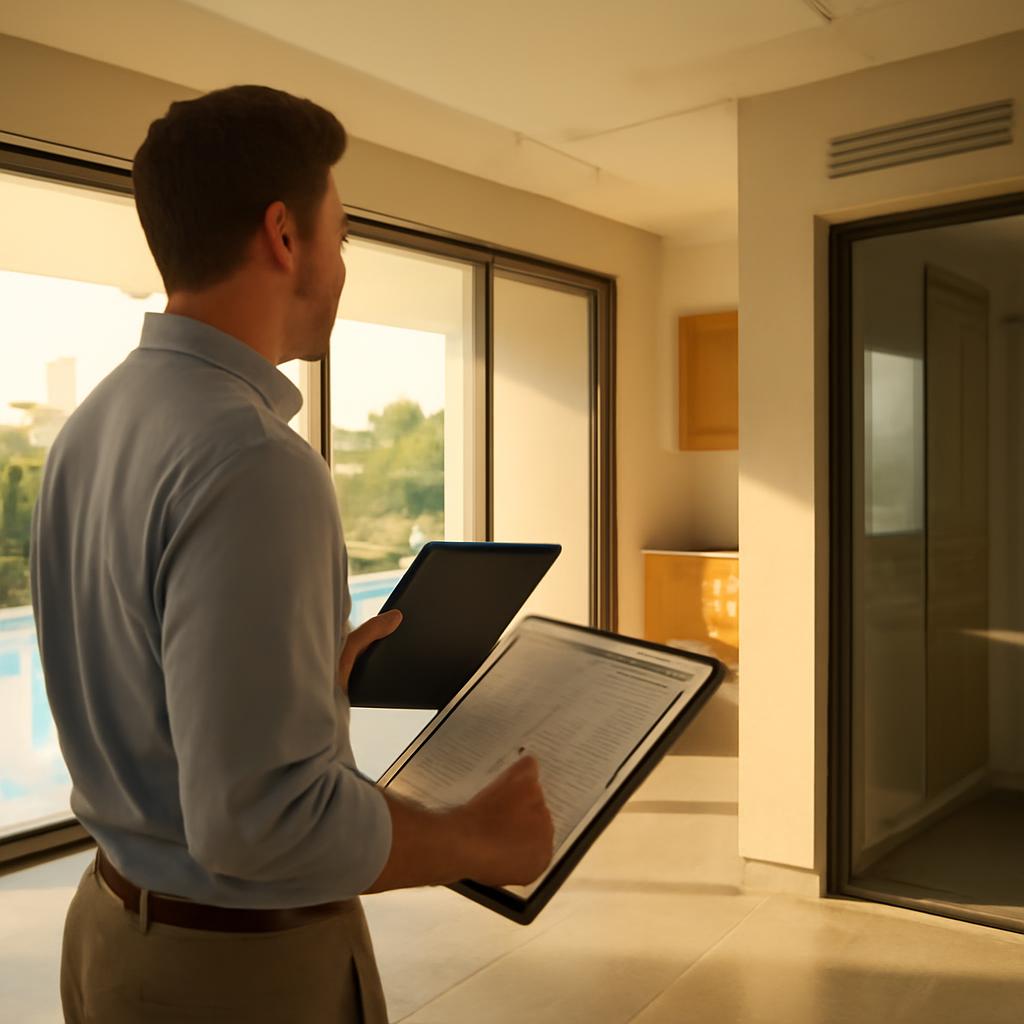
Snagging is the final phase before handover when defects, misalignments, and unfinished work are identified and fixed. In Dubai’s fast-moving construction market — with strict local regulations, intense environmental conditions, and complex MEP and pool systems in many villas — thorough snagging prevents repeated repairs, protects finishes, and reduces long-term maintenance costs.
The role of staged inspections and professional supervision
The most reliable way to reduce snagging issues is staged inspection: check key trades at pre-determined milestones (substrate, mechanical rough-in, waterproofing, pre-finish, final). Reviews of experienced local firms underline the value of end-to-end project management and strong engineering supervision for spotting issues early and securing approvals, rather than relying solely on a single final inspection.
Uneven tiling and grout problems — causes and prevention
Uneven tiles, lippage, and poor grout joints usually come from inadequate surface preparation, incorrect substrate levelling, or rushed installation. Prevent them by specifying and verifying substrate flatness before tiling, using tile leveling systems for large-format tiles, allowing correct cure times for adhesives, and inspecting tile alignment before grouting. A staged check at adhesive set and again before final cleaning catches issues when they are still correctable.
Waterproofing and poor sealing (bathrooms, terraces, pools)
Leaking showers, balcony seepage, and pool edge failures often trace back to incorrect membrane detailing, missed penetrations, or poor junctions between trades. Use approved tanking systems, ensure detail drawings for transitions (walls to floors, around drains and penetrations), and perform water/flood tests on wet areas before tiling. Independent verification of membrane continuity at the rough stage reduces costly rework later.
Doors, windows and glazing — alignment and performance
Misaligned doors, sticky windows, and leaking glazing are typically due to incorrect frame setting, failure to allow thermal movement, or poor sealing at interfaces. Confirm frame plumb and level at the structural handover stage, specify fixings and sealant joints for the local climate, and perform operational checks (open/close, lock engagement) before final finishes. Air- and water-tightness checks should be documented when applicable.
AC, ventilation and MEP defects — common pitfalls
Mechanical and electrical snags often emerge from wrong equipment sizing, incomplete commissioning, or inaccessible service points. Key prevention steps include accurate load calculations during design, clear routing and access panels for filters and valves, systematic commissioning (start-up, airflow balancing, refrigerant checks), and issuing as-built MEP drawings and manuals at handover so owners and service teams can operate and maintain systems reliably.
Plumbing and drainage — gradients, pressure and leaks
Blocked drains, slow flows, and hidden leaks are often caused by incorrect pipe gradients, poorly supported runs, or unsecured joints. Mitigate these by pressure-testing water systems before concealment, verifying drainage falls during slab/roughed-in inspections, installing accessible isolation valves, and keeping clear records of pipe routing and materials for future maintenance.
Pool finishes and water quality issues
Pools present particular snagging risks: tile delamination, hairline cracks in finishes, and filtration or circulation faults. Best practice includes structural checks before waterproofing, correct selection of pool finish materials for the climate, tile-setting with proper bedding and joints, and commissioning filtration, circulation and heating systems. Regular water analysis after fill-up helps identify chemical imbalances early — a service many contractors include as part of pool handover.
External works: grading, drainage and landscaping snags
Poor site grading and insufficient drainage can lead to pooling, settlement and damage to hardscape or planting. Prevent issues by checking final levels against approved drawings, correcting slopes and re-sloping where necessary, confirming irrigation and drainage connections, and coordinating landscape installation with hardscape and drainage contractors. Early verification of topping levels and falls avoids rework and water-related damage.
Finishes, painting and fixture installation — getting the details right
Surface defects, paint blowbacks and incorrectly fitted fixtures often result from late involvement of finishers and insufficient protection during ongoing work. Avoid this by holding mock-ups for critical finishes, scheduling painting and delicate installations after heavy trades are complete, protecting new surfaces, and performing a final fixtures check that includes squareness, alignments and functional testing.
A practical snagging checklist and final recommendations
Use a written punch-list and stage it: structural/substrate, MEP rough-in, waterproofing, pre-finish, and final handover. Include pressure/flood tests, tile and paint mock-ups, MEP commissioning certificates, and water analysis reports where relevant. Choose a contractor or team that provides end-to-end coordination and experienced engineering supervision — reviews of local contractors note that this approach, plus proactive handling of approvals and inspections, reduces recurring snags. Early contractor involvement during design, clear communication with suppliers, and documented sign-offs at each stage are the best practical defenses against common Dubai snagging issues.
Article by
VHC | Virtual Home Contracting LLC
Virtual Home Contracting (VHC) is a leading construction and interior design company in the Dubai, UAE specializing in residential and commercial projects. We offer end-to-end services including contracting, MEP works, interior design, smart home automation, and pool & landscape solutions. Our team focuses on modern architecture, quality finishes, and innovative concepts to bring your dream home to life. Trusted by homeowners and developers across Dubai and Abu Dhabi.