Common Installation Mistakes with Commercial Refrigeration in Dubai (and How to Avoid Them)
Practical guidance for restaurant and cafe owners on avoiding frequent installation errors with upright and tabletop chillers and freezers—covering ventilation, door clearance, power, ambient heat, and service access—so kitchens in Dubai and the UAE reduce breakdowns and spoilage.

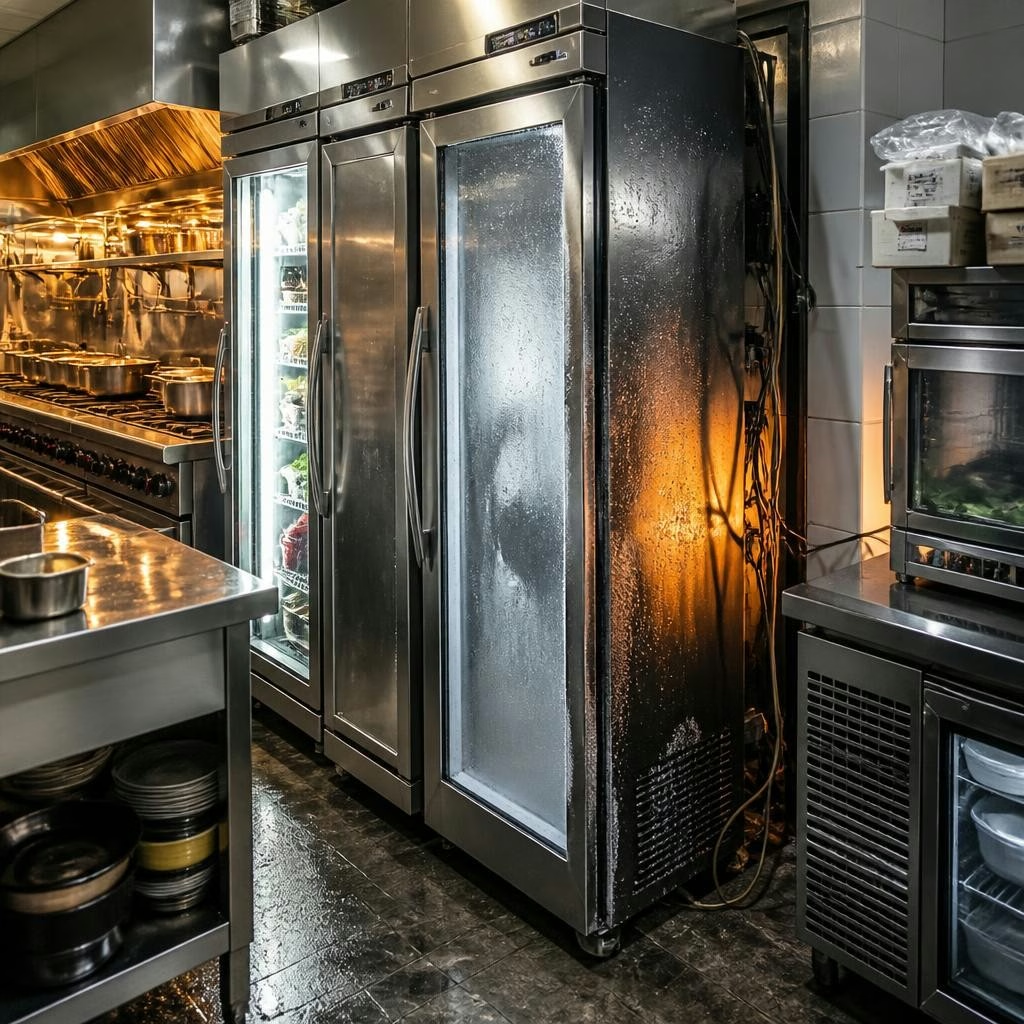
Why proper refrigeration installation matters
Commercial chillers and freezers are central to food safety and operational continuity. Poor installation increases the risk of compressor failure, higher energy use, uneven temperatures and, ultimately, spoiled stock. For busy kitchens in Dubai and the UAE—where ambient temperatures and operational demands can be high—taking a few site-preparation steps before installation prevents costly downtime and service calls later.
Mistake 1 — Ignoring ventilation and condenser airflow
A frequent problem is installing upright or tabletop units in tight, poorly ventilated spaces. Refrigeration systems require free airflow around condensers to reject heat. When airflow is restricted, the system runs harder, shortens component life and may not hold temperature. Always follow the manufacturer’s recommended clearance and avoid enclosing units in cabinets without proper exhaust. If your kitchen layout restricts airflow, consider installing additional extraction or placing the unit where the condenser can ventilate freely.
Mistake 2 — Overlooking door swing and access clearance
Door obstructions are a common day-one oversight. Refrigeration doors must open fully for loading and cleaning; blocked doorways, shelving too close, or awkward swing directions impede staff flow and can prevent proper sealing. During planning, simulate normal service movements, check that doors clear nearby equipment, and allow enough space for technicians to remove panels or pulls during maintenance.
Mistake 3 — Inadequate electrical supply and improper wiring
Commercial refrigeration often requires a dedicated electrical circuit and stable voltage. Problems arise when units are connected to undersized circuits, shared with heavy-load appliances, or fed via long runs that cause voltage drop. This can trigger frequent compressor cycling, nuisance faults and shortened equipment life. Before installation, confirm the unit’s electrical requirements and arrange for a properly rated supply and protective devices; if in doubt, use a qualified electrical contractor experienced with commercial kitchen equipment.
Mistake 4 — Placing units near heat sources or direct sun
Locating chillers and freezers next to ovens, fryers, hot water pipes or in direct sunlight forces refrigeration systems to work harder to maintain temperature. This increases energy use and accelerates wear. When planning site layout, keep cold storage physically separated from heat-generating appliances and avoid placing units where solar gain or external heat is significant—particularly important for kitchens with rooftop or external service areas.
Mistake 5 — Poor leveling and insufficient drainage
An often-overlooked detail is proper leveling and drainage. Unlevel units can strain compressors and cause door alignment or gasket issues; inadequate floor drainage complicates defrost cycles and cleaning. Install refrigeration on a firm, level surface capable of supporting the loaded weight, and ensure condensate drains and waste outlets are correctly routed and accessible for maintenance.
Mistake 6 — Not planning for service access and maintenance
Space for daily use is important, but so is space for service. Technicians need access to compressors, condensers and control panels for routine servicing and repairs. Installing units tight against walls or inside inaccessible cupboards forces costly extra work during maintenance. Reserve clear access on at least one side and ensure that panels or flues can be removed without relocating the entire unit.
A practical pre-installation site checklist
Use this practical checklist before the installers arrive: 1) Verify manufacturer clearance requirements for ventilation; 2) Confirm door swing and simulate staff movement; 3) Check electrical supply capacity and arrange a dedicated circuit if required; 4) Ensure the unit will not sit next to heat sources or in direct sun; 5) Confirm floor strength, levelness and planned condensate drainage; 6) Reserve service access space and an unobstructed route for the unit during delivery; 7) Note ambient temperatures where the unit will operate. Completing these items reduces surprises and speeds up installation.
When to call professional installers
Commercial refrigeration installation is more than moving a cabinet into place. For upright and tabletop units, professional installers handle correct positioning, electrical connections, refrigerant integrity checks and commissioning so performance meets expectations. Falcon Kitchens offers supply, installation and after-sales maintenance for refrigeration equipment, and many customers appreciate hands-on support from the supplier during and after installation. If you lack in-house experience with commercial systems, engaging qualified technicians is the safer, more reliable route.
Summary and next steps for Dubai-area kitchens
Avoiding common installation mistakes—insufficient ventilation, blocked door swings, improper electrical supply, proximity to heat sources, poor leveling and inadequate service access—reduces the chance of breakdowns and food loss. Prepare your site using the checklist above and engage experienced installers for commissioning and ongoing maintenance. If you’d like local guidance, Falcon Kitchens operates from Sharjah and serves commercial clients across the UAE, providing installation and maintenance services for chillers, freezers and other kitchen systems—backed by collaborative after‑sales support noted by customers. Proper planning at the outset pays off with reliable refrigeration and lower operating costs over time.
Customer review


Article by
𝐅𝐚𝐥𝐜𝐨𝐧 𝐊𝐢𝐭𝐜𝐡𝐞𝐧𝐬 𝐋𝐋𝐂 - Commercial Kitchen Equipment
Welcome to Falcon Kitchens At Falcon Kitchens, we pride ourselves on being one of the leading suppliers of high-quality commercial kitchen equipment. Our products are designed to meet the varied needs of the food service industry. Whether it is a small café, an up-and-running restaurant, or an industrial kitchen, our commercial kitchen appliances here at Falcon Kitchens will ensure that you have the best solutions for efficiency, reliability, and durability. We have been leading the industry for years now, with the latest technology coupled with craftsmanship in every appliance that leaves our manufacturing line. It’s not about selling kitchen equipment at Falcon Kitchens; it’s building a long-term relationship with clients through support