Equipping a New Restaurant Kitchen in Dubai on a Tight Budget — A Step‑by‑Step Guide
Practical, phased advice for first‑time restaurant owners on prioritising cooking, refrigeration and dishwashing equipment in Dubai, with tips on mixing new and quality used items to open on time without overspending.

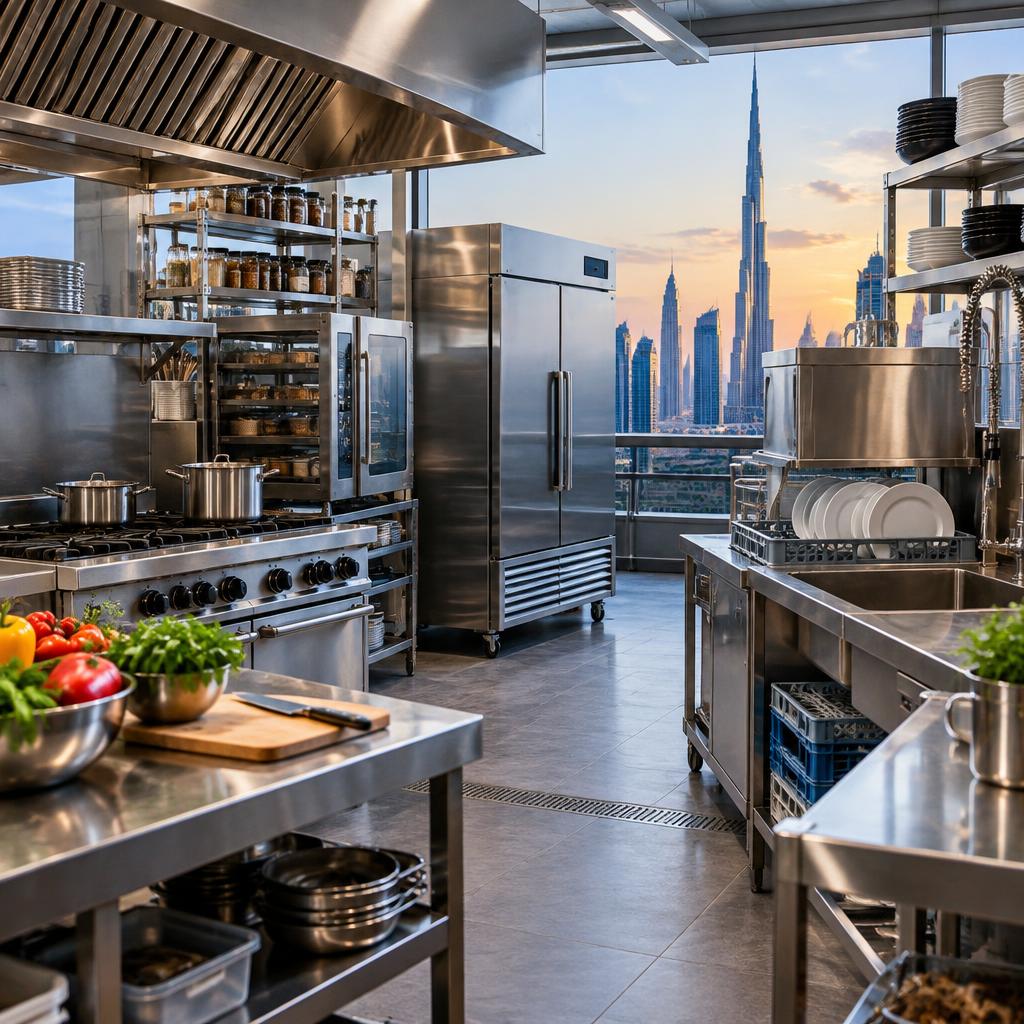
Why a phased, budget‑conscious plan matters
Opening a restaurant on a tight budget forces you to choose where to spend and where to save. A phased approach protects your cash flow, reduces delays before opening day, and lets you invest more in the items that affect food quality and safety. Falcon Kitchens (based in Sharjah and serving Dubai establishments) supplies both new and professionally serviced used equipment—several customers report that used items can be high quality and ready for heavy service when chosen carefully. This guide walks you through priorities, practical buy‑new vs buy‑used decisions, and supplier checks so you can open reliably without overspending.
Start with your menu and capacity — define the must‑haves
Begin by narrowing the menu to what you will reliably offer on opening day and estimating expected covers per service. Short menus with focused techniques (grill‑only, bakery‑only, coffee and light bites) require far fewer stations and equipment types than a full‑service menu. From that decision, list the absolute essentials: one reliable cooking line (range/oven/fryer as needed), adequate refrigeration for your stock, and a fast, hygienic dishwashing system. Everything else can be phased in after you stabilise service.
Design workflow and zones before buying
Map a simple kitchen flow: receiving and storage → prep → cooking → plating/dispatch → dishwashing. Plan space and power/gas access for each zone so equipment fits where it will be used. Good layout reduces the number of appliances you need (for example, using a combi oven for multiple tasks) and improves staff efficiency. Confirm utility capacities (electrical load, gas lines, water and drainage) early — these are common causes of installation delays.
Prioritising cooking equipment: what to buy first
Choose the core cooking equipment that directly enables your menu. Typical priorities: a reliable oven (combi ovens are versatile), a cooker or range suited to volume, and a fryer or grill if those are menu staples. Falcon Kitchens lists cooking line and cooker equipment among its services, and reviewers specifically praise Rational combi ovens as dependable options. For a tight budget, consider buying a high‑impact item new (if affordable) and sourcing other items used or phased in later.
When to mix new and used equipment
Used equipment can deliver major savings, especially for high‑value items that are still mechanically sound. Reviews for Falcon Kitchens note many customers buying used Rational ovens, coffee machines and grinders that were fully serviced and working well. Use these rules when choosing used: verify recent servicing, ask for a demonstration or operational test, confirm availability of spare parts, and prioritise new for safety‑critical items you cannot afford downtime on (for example, major refrigeration failures during service).
Cold storage and refrigeration: protect your inventory
Cold line equipment—upright freezers, chillers, display units and tabletop coolers—should be an early purchase because poor cooling risks stock loss. Falcon Kitchens offers a wide range of cold line and display chiller options; when budgeting, prioritise a reliable walk‑in or upright freezer and at least one prep chiller near the cooking zone. If necessary, start with used refrigeration that has documented service history but confirm performance and energy use to avoid unexpectedly high running costs.
Dishwashing and hygiene: fast turnaround matters
A commercial dishwasher or washing line machine is vital for speed and hygiene, particularly in busy services. Falcon Kitchens supplies dishwashers and washing line systems; opt for equipment rated for your expected daily load and look for short cycle times and energy/water efficiency. If the dishwasher is delayed, you will need more staff time for manual washing, which increases operating costs—so prioritise this purchase in your opening phase.
Smallwares, mixers and specialty equipment to phase in
Smaller but essential items—mixers, cutters, meat mincers, coffee machines, grinders, blenders, toasters and pastry equipment—are often more affordable used and easier to replace or upgrade. Falcon Kitchens lists these items across its services. For cafés or bakeries, a reliable coffee brewer and grinder can be worth buying new for consistency; for back‑of‑house prep, professionally serviced used mixers and mincers can reduce startup spend without compromising performance.
Practical phasing and budget checklist
Phase purchases by criticality: 1) items you cannot open without (core cooking line, refrigeration, dishwasher); 2) items that speed service or expand menu (fryer, grill, extra ovens); 3) specialty and backup equipment (display chillers, extra mixers, slush/ice machines). Budget tips: obtain installation quotes up front, reserve part of the budget for emergency repairs, compare the total cost of ownership (energy use, expected maintenance) not just purchase price, and negotiate staged deliveries and payments. Where possible, test used equipment before finalising the purchase.
Choosing a supplier and checking after‑sales support
Select a supplier who can deliver equipment, install it and provide timely servicing. Customer feedback for Falcon Kitchens highlights strengths—clean, well‑serviced used items, a professional team and competitive pricing—which makes them a practical option for budget projects. At the same time, some customers have reported challenges resolving complex technical issues, so confirm these points before committing: clear terms on installation, what commissioning checks are included, availability of spare parts, response time for repairs, and whether the supplier can demonstrate used equipment in working condition. Before purchase, get written confirmation of what service is provided, and schedule an on‑site test where feasible.
Final checklist to open on time and on budget
Quick pre‑opening checklist: 1) Lock down your core menu and expected covers; 2) finalise kitchen layout and utility capacities; 3) buy or secure core cooking equipment, reliable refrigeration and a dishwasher first; 4) inspect and test any used items, prioritising serviced machines with documented checks; 5) confirm installation schedules and after‑sales service commitments in writing; 6) budget for spare parts and a small contingency; 7) train staff on operation and basic maintenance before opening. Following this plan—mixing a few new purchases with quality used equipment and clear service agreements—will help you open on schedule without overspending.
Customer review


Article by
𝐅𝐚𝐥𝐜𝐨𝐧 𝐊𝐢𝐭𝐜𝐡𝐞𝐧𝐬 𝐋𝐋𝐂 - Commercial Kitchen Equipment
Welcome to Falcon Kitchens At Falcon Kitchens, we pride ourselves on being one of the leading suppliers of high-quality commercial kitchen equipment. Our products are designed to meet the varied needs of the food service industry. Whether it is a small café, an up-and-running restaurant, or an industrial kitchen, our commercial kitchen appliances here at Falcon Kitchens will ensure that you have the best solutions for efficiency, reliability, and durability. We have been leading the industry for years now, with the latest technology coupled with craftsmanship in every appliance that leaves our manufacturing line. It’s not about selling kitchen equipment at Falcon Kitchens; it’s building a long-term relationship with clients through support