Used Commercial Kitchen Equipment in Sharjah & Dubai: When It Makes Sense and What to Check Before Buying
Practical guidance for restaurant and café owners in Sharjah and Dubai on when buying second‑hand kitchen equipment is a good option, which items are typically safe to buy used, detailed inspection and testing checklists, and the key questions to ask a supplier before you commit.

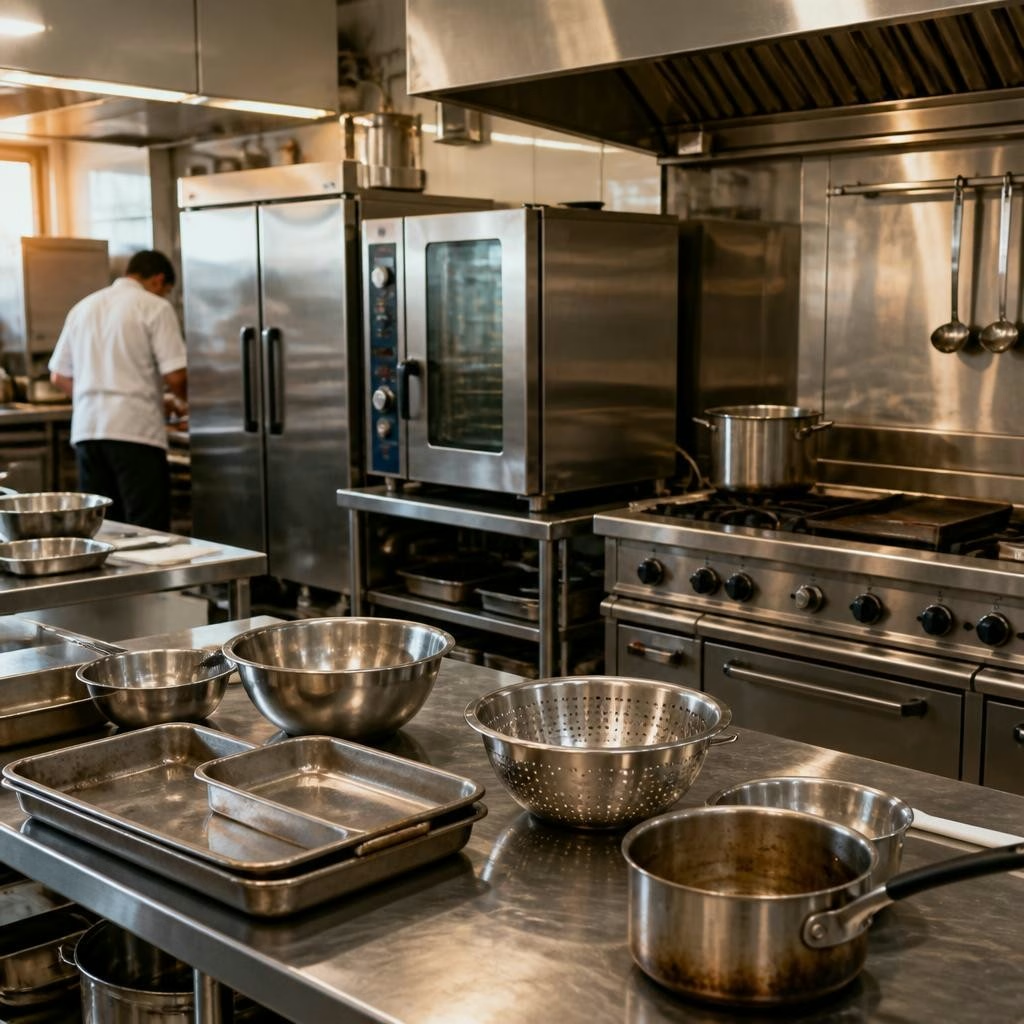
Why consider used commercial kitchen equipment?
Buying used equipment can be a practical step for many foodservice businesses in Sharjah and Dubai. Common reasons include controlling start‑up costs, replacing a single line item quickly, equipping a pop‑up or temporary outlet, or obtaining a reliable spare while waiting for new stock. When chosen carefully, second‑hand appliances can deliver many years of useful service and reduce initial capital outlay, letting you allocate budget to fit‑out, staff training, or ingredients.
Typical situations where used makes sense
Used equipment is often a good choice when you need to outfit a small café or satellite kitchen on a tighter budget, when demand is uncertain, or when you require reliable, well‑maintained machines at a lower price point. It is particularly useful for businesses that have in‑house technical capability to maintain equipment or for operators who plan to have a service partner in place for regular maintenance and parts.
Which items are generally safer to buy used
Certain categories of commercial kitchen equipment tolerate prior use better than others. Robust stainless‑steel fixtures, worktables, shelving, and many types of display chillers or upright freezers can remain serviceable for years if their cooling systems and seals are in good condition. Heavy‑duty mechanical items such as mixers, dough rollers, and some cooking line components often have long working lives when properly maintained. When considering a used unit, focus on the mechanical integrity and whether spare parts and servicing are readily available locally.
Items to approach with caution
Be more cautious when buying used equipment that has complex electronics, sealed refrigeration circuits, or safety‑critical gas fittings. Examples include combi ovens, advanced coffee machines, gas fryers and cookers, and older refrigeration units where compressor life and refrigerant handling are concerns. These items can carry hidden costs if compressors, control boards, or gas valves fail and replacement parts are scarce or expensive.
A practical physical inspection checklist
Before purchase, carry out a careful visual inspection: check for excessive rust, dents, warped frames, and compromised welds; examine door seals, hinges and gaskets for tightness; inspect electrical cords and plugs for damage; look for oil leaks, loose fasteners or signs of overheating; assess hygiene‑critical components such as drip trays, filters and food‑contact surfaces for wear. Cleanliness and visible maintenance are often good indicators of how a unit was cared for.
How to test a used unit before buying
Whenever possible, test equipment under working conditions. Run refrigeration units long enough to confirm they reach and hold target temperatures and that compressors cycle normally. For ovens and cookers, verify even heat distribution and thermostat responsiveness. Operate mixers, mincers and grinders at load to listen for unusual noises and check bearings. For electrical items, confirm there are no tripped breakers or intermittent faults. Request that the seller demonstrate the machine doing representative work rather than only powering it on briefly.
Questions to ask the supplier before purchase
Ask for a service history and any documentation of repairs, spare parts replaced, and recent maintenance. Confirm whether the seller provides installation, on‑site servicing, and spare parts support—services commonly offered by established suppliers. Clarify return or inspection terms, whether technicians can perform pre‑sale checks, and whether the supplier will install or test the equipment at your site. Also enquire about any refurbishment performed and if consumables (filters, gaskets) were replaced before sale.
Logistics, safety and local considerations in Sharjah and Dubai
Factor in transport, installation and local safety compliance when calculating total cost. Moving heavy or bulky equipment may require specialist handling; refrigeration and gas items should be moved and commissioned by qualified technicians. Budget for site‑specific work such as upgrades to electrical supply, ventilation or gas lines. If you are operating in Sharjah or Dubai, coordinate delivery and installation timing to avoid service disruptions and confirm that local technicians can support the unit you choose.
Pricing and value: looking beyond the sticker price
A lower purchase price does not always equal better value. Estimate likely short‑term maintenance, parts replacement, transport and installation costs. Compare total landed cost to the price of a new unit plus lead time—sometimes the productivity gains and warranty coverage of a new machine justify the extra investment. For many buyers, a professionally serviced used unit with a clear service history and local support represents the best balance of cost and reliability.
How reputable suppliers and service partners reduce risk
Working with an experienced supplier who offers supply, installation, maintenance and repairs can significantly reduce the risks of buying used equipment. Customers in the UAE have pointed to reliable suppliers as trusted sources for used units when those suppliers also provide after‑sales support and parts availability. Before you buy, prioritise sellers that can arrange testing, professional installation and follow‑up servicing in Sharjah or Dubai to keep downtime to a minimum and protect your operations.
Next steps: inspect, compare, and secure service
If you decide a used unit is right for your operation, inspect multiple options, compare total costs, and ensure you have service coverage in place. Request a technical walkthrough and written confirmation of the unit’s condition and any work performed. Where possible, involve a technician in the final inspection and schedule a professional installation and commissioning visit to verify safety and performance.
Where to get help locally
For businesses in Sharjah and Dubai seeking used or refurbished commercial kitchen equipment, consider suppliers that combine equipment supply with installation and maintenance services. Customers have recommended established local suppliers when they provide responsive service and reliable support. Speak to your chosen supplier about pre‑purchase inspection, parts availability and ongoing service plans so your kitchen stays productive and compliant after the purchase.
Customer review


Article by
𝐅𝐚𝐥𝐜𝐨𝐧 𝐊𝐢𝐭𝐜𝐡𝐞𝐧𝐬 𝐋𝐋𝐂 - Commercial Kitchen Equipment
Welcome to Falcon Kitchens At Falcon Kitchens, we pride ourselves on being one of the leading suppliers of high-quality commercial kitchen equipment. Our products are designed to meet the varied needs of the food service industry. Whether it is a small café, an up-and-running restaurant, or an industrial kitchen, our commercial kitchen appliances here at Falcon Kitchens will ensure that you have the best solutions for efficiency, reliability, and durability. We have been leading the industry for years now, with the latest technology coupled with craftsmanship in every appliance that leaves our manufacturing line. It’s not about selling kitchen equipment at Falcon Kitchens; it’s building a long-term relationship with clients through support